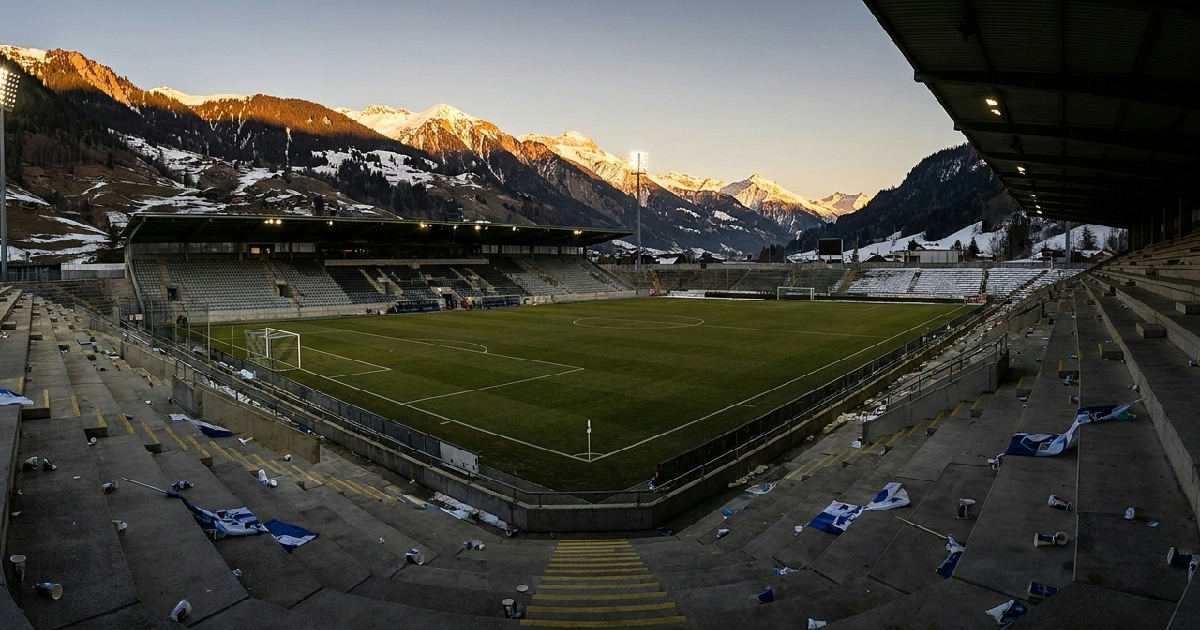
Servette finished their Swiss Super League campaign with a composed 2-0 victory over Lausanne Sport at Stade de Genève. The result confirmed what the standings have been saying for most of the season. These are two clubs at very different stages of the table, and on the evening, the difference in structure and preparation was visible.
Where the Match Was Won
Watch this. The thing nobody is talking about when the final whistle goes in a match like this is not the goals. It is the pattern that made the clean sheet possible. Servette finished the season as champions with 74 points from 36 games, 24 wins, a goals-against column of 43. That is not an accident. That is a coaching issue resolved over the course of a campaign, and the discipline you saw in this match against Lausanne is the product of months of preparation.
Lausanne came into this fixture with 66 goals conceded and a goal difference of just plus six across the season. For context, Servette's goal difference was plus 33. The structural gap between the two sides is significant, and it showed in the way Servette were able to keep their defensive shape while Lausanne struggled to find a consistent reference point in the final third.
Lausanne's Problem in Possession
Rewind to what Lausanne were trying to do in the first half. With 12 wins, 11 draws, and 13 losses across the season, they are a side that has shown they can compete when the movement and the trigger moments go their way. The difficulty against a team as well-organised as Servette is that their structure limits those triggers significantly.
When Lausanne pressed high, Servette moved through the lines with composure. When Lausanne sat in, Servette had enough quality in the final third to find openings. That is what a title-winning game plan looks like in practice. You do not need to be spectacular. You need to be difficult to break down and reliable in front of goal when the moment arrives. Servette were both of those things this evening.
The Detail in Servette's Build-Up
The thing nobody is talking about after a 2-0 win is how the second goal kills the game as much as it scores it. Once Servette moved to two goals ahead, Lausanne's attacking pattern became more stretched and more predictable. The spaces they left in behind were exactly what Servette's forward movement was designed to exploit. That is a coaching issue for Lausanne to reflect on over the summer. When you concede the first goal, the structural response in the next fifteen minutes is what defines your character, and tonight that response was not convincing enough.
Servette, to their credit, did not deviate from their game plan when they went two up. They stayed in their shape, kept their defensive lines compact, and limited Lausanne to speculative efforts. That kind of discipline in the final stages of a season, when the title is already secured and the mind can drift, is a detail that coaches notice even if supporters do not always see it.
What the Season Standings Tell Us
Rewind to the full season picture. Servette's 74 points and 76 goals scored tells you about a side with genuine attacking quality allied to defensive organisation. The 43 goals conceded in 36 matches, roughly 1.2 per game, is the kind of number that reflects consistent defensive preparation rather than individual heroism. Clean sheets are built in training during the week, not decided in the match itself.
Lausanne's 47 points from the same number of games, with 72 goals scored but 66 conceded, describes a side that can hurt opponents but cannot quite keep them out with any regularity. Their goal difference of plus six is flattered by that goals-scored column. When your defensive structure concedes 66 in a 36-game season, you are giving away approximately 1.8 per game. That is not a defensive pattern that earns you titles or European places. It is something that needs to be addressed in the preparation for next season.
No Tip Value, But Clear Tactical Lessons
The pre-match signals were honest about the market situation here. The model gave Servette a 49.8% chance of winning, while the market had already priced them tighter than that. There was no clear edge on the result market, and that assessment was sound. What the model also suggested was that both teams to score looked likely at 58% probability. In the end, the clean sheet for Servette tells you something about the difference in defensive quality that the pre-match numbers perhaps underweighted.
That is worth noting as a pattern for future fixtures involving Servette. When they are organised, structured, and motivated by a specific game plan, their defensive shape is capable of suffocating teams with Lausanne's level of forward movement. The BTTS No at 2.50 carried a modest edge of two percentage points according to the model, and while confidence was listed at 42%, the structural argument for Servette keeping a clean sheet was always the stronger one on paper.
Looking Ahead
Servette can reflect on a title-winning season with genuine satisfaction. Their 24 wins and plus-33 goal difference represent a genuine standard of consistency across the campaign. Lausanne, with their attacking numbers still relatively healthy, have something to build on in terms of creating chances. The structural work needed is at the other end. When you concede 66 goals in a season, the detail in your defensive organisation is where the coaching staff need to focus their preparation over the summer.
Tonight was a clean, professional end to the season from the champions. Lausanne showed flickers of their attacking quality but were ultimately unable to find a way through a side that knew exactly what they were doing and why.