










 Serie B · Italy

The Context: What This Match Actually Means
The interesting thing about a sixth versus seventh clash on the final day of a league season is that the stakes are almost entirely determined by what is happening elsewhere. With 37 games already played and one matchday remaining, the sixth-placed side sits on 55 points from 15 wins, 10 draws, and 12 defeats, carrying a goal difference of plus 14. The seventh-placed team has 50 points from 11 wins, 17 draws, and 9 losses, with a goal difference of minus 1. That five-point gap is significant in terms of the league standings, but both sides will be acutely aware of the teams just below them and the structure of how Serie B's playoff places are awarded.
What the data actually shows is two teams who have arrived at this point in very different ways. The sixth-placed side has been more decisive across the season, winning more matches outright but also losing more. The seventh-placed team, by contrast, has drawn 17 times in 37 games, which is a remarkably high number. Seventeen draws in a season tells you something specific about a team's shape and how they approach matches: they are difficult to beat, they tend to hold structure, and they rarely produce the kind of progressive, high-tempo build-up play that leads to dominant victories. Whether that is a strength or a limitation in this particular fixture is one of the central analytical questions.
Reading the Standings: What the Goals Tell Us
The sixth-placed side has scored 49 goals and conceded 35 across the campaign, which gives a goals-for-per-game ratio of roughly 1.32. That is a reasonable attacking output but not a prolific one. More telling is the goal difference of plus 14, which means their wins tend to be controlled rather than spectacular, and their structure in defence has been relatively solid through the season.
The seventh-placed team's goal difference of minus 1, on the other hand, is quite striking for a side in the top half of the table. They have scored 43 and conceded 44, which means that across 37 games, they have essentially been a break-even team in terms of goals. Their 11 wins will have been built on clean sheets and tight margins, while their 17 draws will have featured a lot of low-scoring, contained football. This is not a team that manufactures high-volume chances at either end.
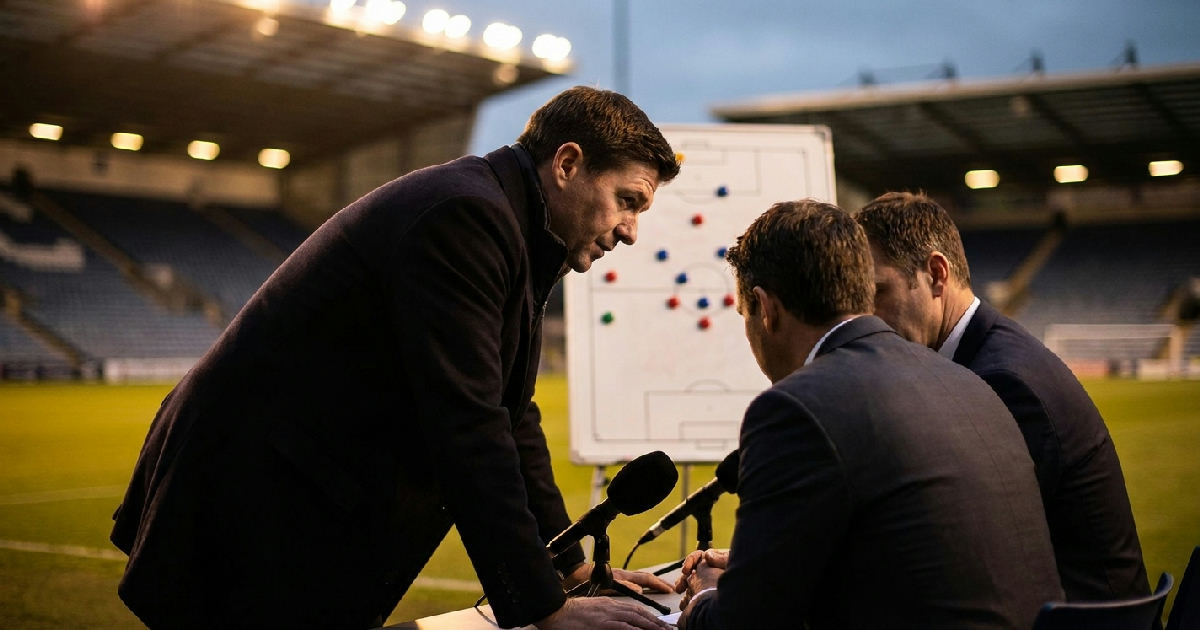
When two teams of this profile meet, the tactical structure of the match becomes the dominant factor. The sixth-placed side will likely need to create openings against a team that has shown a strong tendency to stay compact and absorb pressure, because that seventh-placed draw record does not happen by accident. It is the product of a defensive shape that is difficult to break down through central channels, which means the home side will need to find progressive routes into the final third rather than relying on high-volume shot attempts from distance.
The Gap to the Rest of the Table
One thing worth noting is how the 6th and 7th placed sides compare to the teams immediately below them. The fifth-placed team on 59 points is five clear of the sixth-placed side, which means there is a natural cluster forming around the 50 to 55 point range. The eighth-placed side sits on 46 points, which is four behind the seventh-placed team, so the gap below is meaningful enough that the seventh-placed team is unlikely to be dragged into significant danger from the sides ranked lower. This matters because it affects how each manager approaches the game tactically. A team with nothing to lose at the bottom of the table might set up with aggression and openness. A team protecting a position with a cushion but also looking upwards will be more measured.
The sixth-placed side, with their five-point advantage, has more room to be proactive, but they will not want to be caught on the transition by a team that has proved throughout the season that it can grind out results.
Drawing Teams and Decisive Teams: A Tactical Problem
The interesting analytical tension in this fixture is precisely the mismatch in profiles. The side with 17 draws has built its season around not conceding, staying in matches, and finding moments of quality to snatch points. The side with 15 wins and 12 losses has been more binary: they press for the result, which means more victories but also more defeats when the pressing triggers do not work and they are exposed on transitions.
In a final-day fixture, that binary tendency from the sixth-placed side could be an asset or a liability depending on what news comes in from other grounds. If they need a win to improve their playoff seeding, they will commit forward and leave themselves open to the counter. If a draw is sufficient, they may default to something more cautious, which would suit the seventh-placed team perfectly and could see this match finish in the kind of low-scoring, tight result that has defined the away side's season repeatedly.
What to Watch For
The build-up patterns of the sixth-placed side will be the key variable to monitor. If they can establish progressive possession and move the ball quickly into the attacking third before the seventh-placed team's defensive structure settles, they create the conditions for the kind of decisive result their season record suggests they are capable of producing. If, however, the seventh-placed team's compact shape absorbs the early pressure and forces the game into a slower, more contested rhythm, the 17-draw profile becomes the most relevant piece of information in the entire data set.
This is not a fixture that will be decided by moments of individual brilliance. It will be decided by which team's structural identity is better suited to what the game demands on the night.