











 EFL Championship · England


There is a version of this match that writes itself as a simple storyline: the league leaders, organised and difficult to break down, against a Wrexham side that has climbed to seventh on the back of attacking output rather than defensive discipline. But the interesting thing is that when you look at what the data actually shows, the contest is considerably more complex than that narrative suggests, and it is worth taking the time to understand why.
Coventry's Structure: What League Position One Actually Means
Sitting at the top of the EFL Championship table, Coventry have produced numbers that deserve genuine respect rather than casual acknowledgement. Eighty-four goals scored across the season is an exceptional return, and it tells you something important about how this side functions: they are not a team that grinds out one-nil wins and parks the bus. They create and they convert, which means their defensive record is all the more striking because it has been achieved alongside genuine attacking ambition.
Forty-two goals conceded over the course of a Championship season, when you are also scoring at that volume, points to a side with real structural integrity. The shape holds in and out of possession. The transitions are controlled. What the data actually shows is not a team that defends deep and soaks up pressure, but a team that defends high up the pitch, limits the opposition's ability to build through them, and then uses that pressure to generate their own attacking moments. That is a fundamentally different proposition for any visiting side to prepare for.
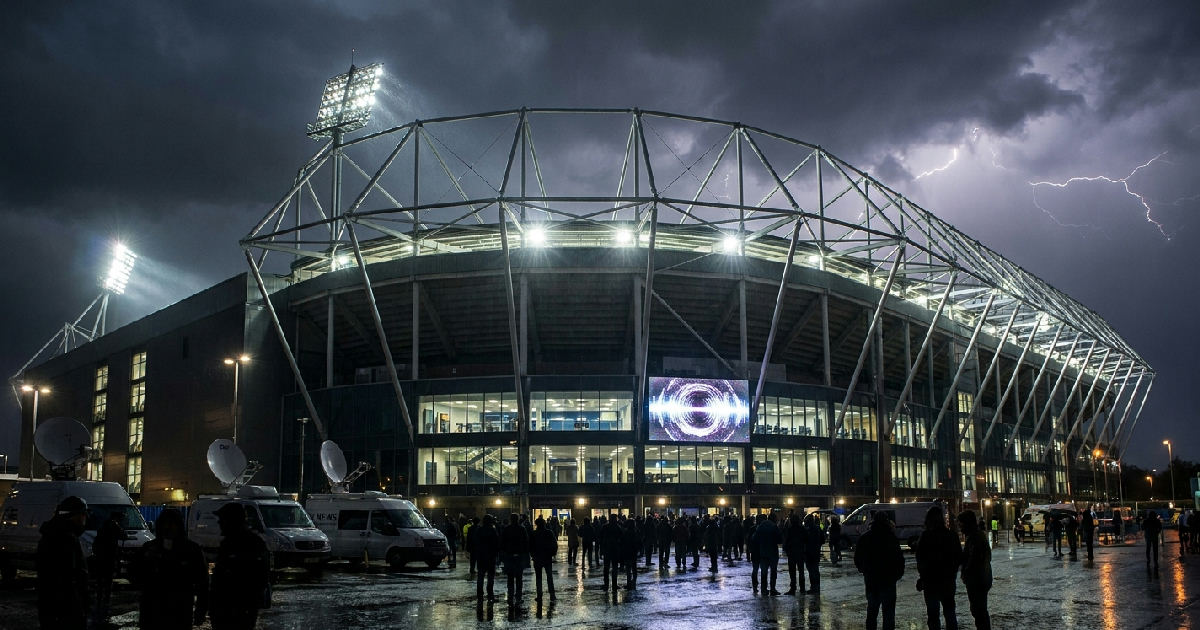
For Wrexham, arriving at the Coventry Building Society Arena, this presents a specific and uncomfortable problem. You cannot simply sit off Coventry and invite them onto you, because their attacking output suggests they are more than capable of unpicking a low defensive block. But pressing them aggressively carries its own risks if the shape is not disciplined, because teams that press without a clear pressing trigger tend to get pulled apart by sides who are comfortable on the ball under pressure.
Wrexham's Profile: Goals Flow Both Ways
The numbers for Wrexham are instructive in a different sense. Sixty-three goals scored is a healthy return and explains how a side sitting seventh in the second tier has remained in genuine contention throughout the campaign. They have attacking quality, and the willingness to commit bodies forward means they create chances with real regularity. That is not nothing. In a division as competitive as the Championship, scoring sixty-three goals takes genuine craft in the final third.
But sixty goals conceded is the figure that demands attention, because it tells you something about the structural cost of Wrexham's approach. When a side concedes at that rate, it is rarely a coincidence or a run of bad luck. It tends to reflect something about the defensive shape, the transitions from attack to defence, or the willingness to accept vulnerability at the back as the price of forward momentum. The interesting thing is that against a Coventry side capable of scoring eighty-four goals, that vulnerability is not an abstract concern. It is a very concrete threat.
The goal difference tells the story clearly. Coventry's plus forty-two is the mark of a side that controls matches and wins them by managing both sides of the ball. Wrexham's plus three is the mark of a side that competes on attacking output and accepts that games will be open. These are two very different football philosophies meeting at a critical point in the season.
The Tactical Question
The central question for this match is whether Wrexham can find a way to impose their attacking identity without leaving the spaces that Coventry's forward players will be looking to exploit. It is not simply about effort or organisation in some vague sense. It is about specific decisions: when to press, when to hold shape, how to manage the moments immediately after losing possession, because those transition moments are where Coventry's goal tally has been built.
Coventry, for their part, will look to move Wrexham around the pitch and create the kind of progressive opportunities their season statistics suggest they manufacture consistently. The home side's defensive record also suggests they are unlikely to chase the game if Wrexham score first, which removes one of the tactical levers Wrexham might otherwise use: sitting in, absorbing pressure, and looking to nick something on the counter.
What the data actually shows is a home side that has earned their position at the summit through both attacking quality and defensive structure, and a Wrexham side that carries genuine threat but has spent the season leaking goals at a rate that will be severely tested here. That is not a reflection on effort or desire. It is a structural reality, and structural realities tend to assert themselves over ninety minutes of football.
The Verdict
Coventry are the value proposition here, and not simply because they are top of the table. Their goal difference of plus forty-two against Wrexham's plus three reflects a fundamentally more balanced and controlled side, and the home advantage at the Coventry Building Society Arena adds a further layer. The interesting thing is that Wrexham's sixty-three goals scored means this is unlikely to be a shutout. Coventry have conceded forty-two times themselves, which suggests both sides are capable of finding the net.
The most likely shape of this match, given what the underlying numbers suggest, is a Coventry victory in a game that produces goals at both ends. The home side's structural discipline and attacking volume make them difficult to contain over a full match, and Wrexham's defensive record at this level of the division suggests they will find it hard to keep Coventry's output quiet for ninety minutes. Back Coventry, account for goals at both ends, and treat anything less than a home win as the surprise result.