World Cup Chaos: Delays and Dynamic Pricing - How Welcoming?

– 3 min read

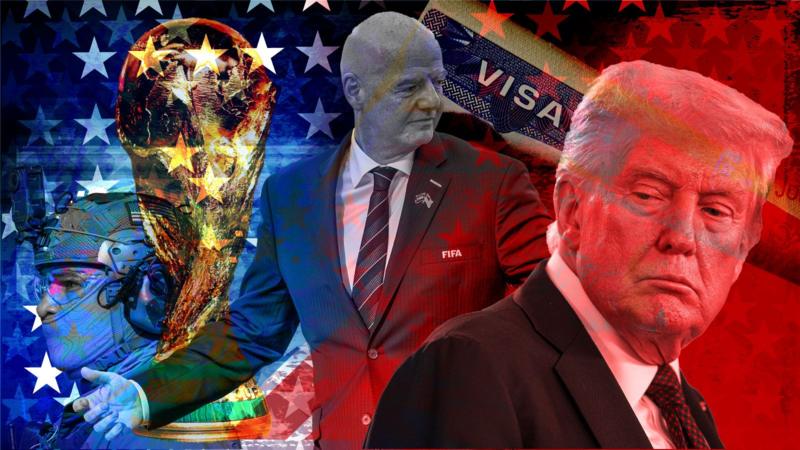
As the countdown to the 2026 World Cup in the United States continues, there's rising concern about several issues that could potentially make fans feel less than welcome. With the thrills of global soccer on the horizon, addressing these concerns is crucial for ensuring that every visitor has a positive experience.
One of the paramount issues is the vast geographical spread of the United States. Unlike previous tournaments, where venues were relatively proximal, the 2026 World Cup will be hosted across multiple states and cities. This presents a logistical challenge for fans, particularly international visitors who may be navigating the complexities of American transportation for the first time. From long flights and potential delays to the intricacies of the U.S. public transport systems, getting from one game to another could be daunting and expensive.
Accommodation is another concern with inflated prices and availability especially in smaller, less tourist-heavy cities. Host city selections like Kansas City and Cincinnati, while rich in local charm and enthusiasm for the sport, don't boast the same level of infrastructure or accommodation capacity as New York or Los Angeles. This could lead to shortages and price hikes, leaving fans scrambling and possibly out of pocket.
Security measures at sporting events have increasingly become a source of anxiety for many attendees, and the World Cup is no exception. Given the heightened alert typically surrounding such a high-profile event, the scale of security in 2026 is expected to be extensive. Past experiences at major gatherings in the U.S. have seen a robust law enforcement presence which, while fundamentally intended to assure safety, can sometimes feel overwhelming and intimidating, particularly to guests from countries with different policing norms.
Moreover, the current sociopolitical climate in the United States might also affect the ambiance of welcoming international visitors. Instances of political unrest, debates over immigration policies, and other domestic issues could project an unwelcoming image to the international community. How the country is perceived globally in the lead-up to the World Cup could influence not just the number of attending fans but their experiences and perceptions, too.
However, it's not all daunting. Efforts are already under way to address these potential hurdles. Cities and states hosting the games are ramping up their infrastructure and transportation services, expanding airports, and increasing public transit options to manage the influx of visitors effectively. Local governments and hospitality industries alike are strategizing to increase accommodation capacities and regulate pricing to prevent exploitation.
On a community level, there's a strong movement to showcase American hospitality and culture. Volunteer programs, language assistance services, and cultural exchange events are being planned to help visitors navigate their experiences in the States more comfortably. Initiatives like these not only assist in logistics but also foster a spirit of unity and celebration of diversity, which is at the heart of World Cup soccer.
Moreover, the U.S. has a unique advantage with its diverse population that follows soccer fervently. The country's enthusiasm for soccer has seen a tremendous rise, with more young Americans playing and following the sport than ever before. This nationwide fervor will likely translate into a warm welcome for visitors coming in from all over the world.
In conclusion, while there are real concerns that could potentially make some fans feel unwelcome, significant steps are being taken to mitigate these issues. The aim is to capitalize on the universal love for soccer to override the logistical, social, and political hurdles, turning the 2026 World Cup into a historic event that celebrates sport and solidarity. As plans continue to unfold, there's hope that every fan who travels to the U.S. will leave with joyous memories of a lifetime, both on and off the pitch.