UEFA Cracks Down on Streamers Amid Massive £4.3bn TV Deal Push

– 2 min read

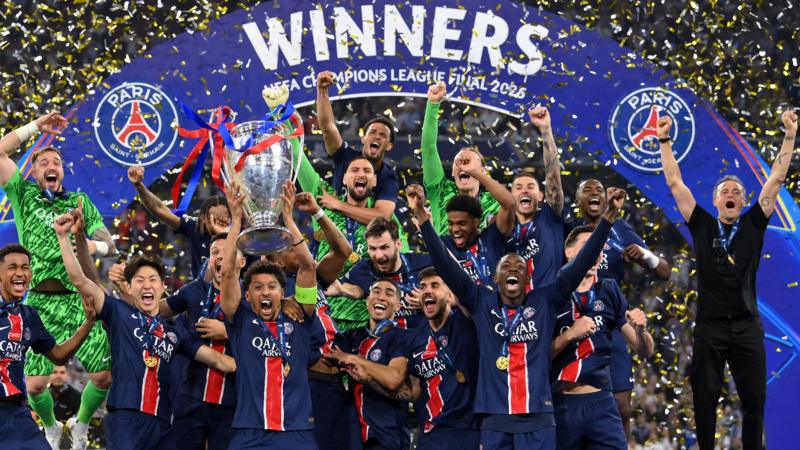
As the landscape of football broadcasting continues to evolve, UEFA is setting the stage for a monumental shift in how Europe's most-watched sport reaches its audience. With a potential £4 billion up for grabs in their upcoming television rights deal, the stakes couldn't be higher, particularly for Europe's elite clubs who stand to profit significantly from this lucrative pie.
The surge in digital streaming has changed the game, breaking the traditional stronghold of cable networks and opening a plethora of opportunities for leagues and clubs to increase their visibility and, importantly, their revenue streams. UEFA's anticipated revenue from the next TV deal underscores the growing economic power of football and the increasing willingness of broadcasters and streaming services to invest heavily in live sports content.
Football's popularity, especially for high-caliber competitions like the UEFA Champions League, UEFA Europa League, and the upcoming Conference League, makes it an attractive asset for broadcasters. These tournaments attract millions of viewers worldwide, proving to be pivotal in drawing subscriptions and advertising revenues. Subsequently, media companies are keen on securing broadcasting rights to capitalize on this massive audience.
The implications for top European clubs are substantial. Increased revenue from broadcasting rights allows clubs to further enhance squad quality, stadium facilities, and youth academy investments. It also offers them leverage to negotiate better terms with their existing broadcasters or to explore new markets.
Moreover, direct streaming services provided by the clubs themselves might soon be an essential component of their revenue generation strategies. Several top clubs are already in the process of developing or enhancing their own digital platforms to offer live matches, exclusive content, and interactive fan engagement activities directly to their supporters worldwide. This direct-to-consumer model not only boosts clubs' financial independence but also strengthens their global brand presence.
The £4 billion deal, expected to be finalized by UEFA, also signifies the increasing valuation of sports content, driven in part by technological advancements. The rise of 4K and 8K broadcasting, along with advancements in augmented and virtual reality, promises a more immersive viewing experience, enticing more fans to tune in. Investing in high-quality, accessible, and engaging content will likely be a win-win for UEFA, clubs, and broadcasters alike.
The revenue from this deal will also benefit smaller clubs participating in UEFA competitions. These clubs will gain from increased financial distributions, which can be crucial for their development and survival in competitive leagues.
As UEFA prepares to negotiate this deal, it will be interesting to see how the distribution of games across broadcasters and streaming platforms unfolds. The mix between traditional broadcasting, exclusive game passes, and club-specific streaming services can redefine fans' viewing habits and club revenues.
In conclusion, as UEFA edges closer to securing around £4 billion from its next TV and streaming rights deal, the ripple effects will be felt across the football ecosystem. For top European clubs, the deal is not just an opportunity to cash in but also a chance to redefine their engagement strategies and future-proof their financial and operational models. Amid this shifting broadcast landscape, clubs that adapt quickly to the digital transformation will likely emerge stronger, offering their fans around the world a newer, richer, and more connected way to follow the beautiful game.