Tuchel Clears Air Over Bellingham Issue: No Problem Detected!

– 3 min read

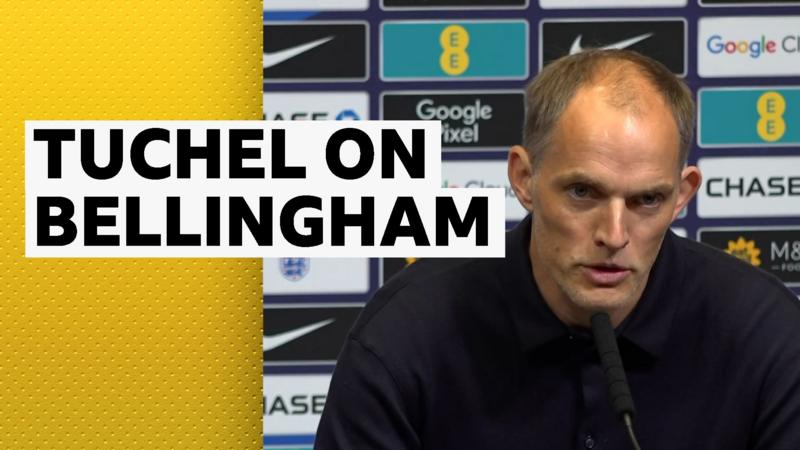
England manager Thomas Tuchel has recently made headlines regarding his team selection choices, particularly concerning notable absences such as Jude Bellingham, Phil Foden, and Jack Grealish in the upcoming matches against Wales and Latvia. Tuchel, stepping into his role as the helmsman of the England team, appears to be steering the ship with a steady hand, unbothered by the stir his decisions have caused.
Jude Bellingham, the young midfield dynamo currently plying his trade with Borussia Dortmund, has arguably been one of England's breakthrough talents on the international stage. His energy, skill set, and maturity on the field have been a beacon of promise for England's footballing future. Despite these credentials, Tuchel's decision to not include Bellingham in the latest squad has raised quite a few eyebrows. However, Tuchel assures there's "no problem" with Bellingham, indicating that his decision is part of a broader strategy rather than a reflection on the player's performance.
Phil Foden and Jack Grealish, both key players for Premier League champions Manchester City, have also been left out of the squad. Like Bellingham, Foden and Grealish have demonstrated their worth on the field time and again. Their exclusion from the squad, therefore, naturally prompts discussions among fans and pundits alike regarding the tactical approach Tuchel is aiming for in these fixtures.
Tuchel, known for his tactical acumen and a somewhat pragmatic approach to game management, might be looking at the bigger picture here. In his view, the matches against Wales and Latvia provide a golden opportunity to test the depth of English football's talent pool. By rotating his squad, Tuchel not only keeps his key players fresh but also provides invaluable international experience to other potential up-and-comers. This could be seen as a strategic move, especially with upcoming major tournaments in mind where squad depth and player versatility will be crucial.
Moreover, England's football landscape is currently brimming with talent, and many young players are knocking on the door for international caps. Players like Noni Madueke, who has shown promising glimpses of his prowess in the Dutch Eredivisie, and others plying their trades in both domestic and foreign leagues, are all vying for attention. Providing these players with a stage can prove quintessential in their development and readiness for more regular international duties.
Tuchel’s calm assertiveness in addressing the squad selection shows his confidence in his choices. "There is 'no problem' with the players left out," he emphasized, pointing towards a rotational policy that reflects both strategic foresight and the necessity to manage player workload. Managing a national team, particularly one as scrutinized as England's, demands not only tactical and technical expertise but also adept man-management skills. Tuchel's approach seems to embody these qualities, aiming to foster a competitive team spirit without causing disruptions within the squad.
The friendly against Wales followed by the match against Latvia are not just mere fixtures but a testing ground for Tuchel's tactical theories and squad resilience. As these games unfold, it will be interesting to see how the team adapts to his methodologies and how the players excluded in these rounds react to their next call-up. After all, in the dynamically competitive environment of international football, every game is a door to numerous possibilities.
As the England team gears up for these matches, the focus is as much on those who made the squad as on those who didn't. Tuchel’s reign is still in its early days, and every decision he makes is under intense scrutiny. How his strategies play out on the international stage could define the path for England's future in international football.