Top Highlights: Women's Champions League Makes Thrilling Return!

– 3 min read

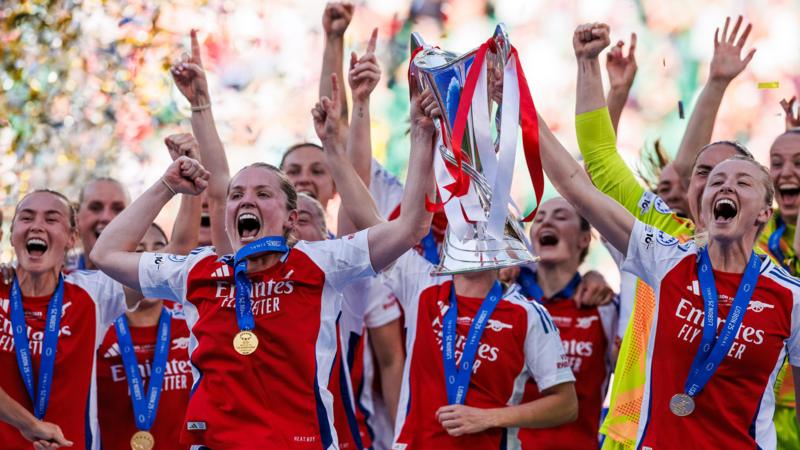
The UEFA Women's Champions League is gearing up for an exhilarating kickoff, as this season introduces a refreshed league format that promises more thrilling matches and opportunities for rising talents to showcase their skills on an international stage.
Previously, the prestigious tournament followed a straightforward knockout format from the round of 32 onwards, but in a bid to increase competitive fixtures and provide more high-quality games for teams and fans alike, UEFA has adopted a league phase. This alteration not only heightens the level of excitement but also allows teams to demonstrate their prowess across more matches, giving them a platform to gain invaluable experience and exposure.
In the revamped format, the 16 teams that have battled through the qualification rounds will now be split into four groups of four. This league phase will be conducted in a round-robin format, where each team plays the others in their group both home and away. Such a setup ensures that fans will get to see a range of strong contests, and teams will face a true test of consistency and resilience.
Victory in these matches is crucial, as only the top two teams from each group will progress to the quarterfinals, which will revert to the traditional two-legged knockout format. This raises the stakes for every match in the group stage, pushing teams to fight for every point to secure their advance into the later rounds of the tournament.
The inclusion of a league stage brings the Women's Champions League in closer alignment with the men's competition, which has featured a group stage for many years. This move not only reflects the growing popularity and competitive level of women's football across Europe but also provides a platform for players to shine against some of the continent’s best teams more regularly.
Spectators this season can look forward to clashes between well-established powerhouses and emerging squads that have recently made their mark on the European stage. Teams such as Lyon, Barcelona, and Chelsea will be aiming to assert their dominance early in the group phase, while newcomers like Real Madrid—who have shown tremendous growth in the Spanish women’s league—will be eager to make an impression in their relatively short history in European contests.
Moreover, this format introduces fans to more diverse playing styles and strategies as teams from different leagues come face to face, offering a learning curve not only for the players and coaches but for the audience as well. Observers of the game can expect to see how varying tactics unfold against international opponents, making for a highly educational and entertaining spectacle.
Further adding to the excitement this season is the wider coverage of the tournament. With more broadcasters showing interest, matches will be more accessible to global audiences, helping to expand the fanbase of women's football and ensuring these athletes receive the recognition they truly deserve.
For players, the increased number of games in the league phase also provides more opportunities to shine, which could be crucial for their careers. Not only within their clubs but also on the international scene, as national team coaches often scout players during such high-caliber tournaments.
All these factors contribute to what is anticipated to be one of the most captivating seasons of the Women's Champions League to date. Whether you're a die-hard football fan or a newcomer to the sport, the revamped competition format is sure to provide compelling narratives and unforgettable moments of football magic. So, as the league phase begins, prepare for a rollercoaster of emotions, groundbreaking performances, and a new chapter in women's football history that promises to elevate the game to greater heights.