Sunderland's TV Drama Exposé: How the Club Nearly Collapsed!

– 3 min read

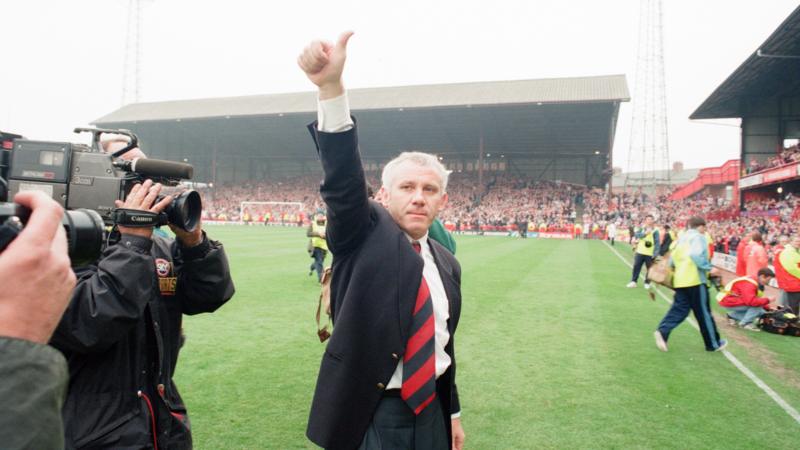
Recently, former Sunderland boss Peter Reid took a trip down memory lane to reflect on the dramatic 1990s TV documentary series "Premier Passions." This poignant series not only offered an inside look at a football club but also captured the intense emotions swirling around Sunderland during the tumultuous 1996-1997 Premier League season. The documentary highlighted not just the struggles and strategies on the pitch but also provided a raw, behind-the-scenes glimpse of what it takes to manage a football club both on and off the field.
"Premier Passions" was conceived during a time when football documentaries were not the norm, making it a pioneering project. Unlike today’s polished productions, it gave fans unprecedented access to the inner workings of a club fighting to stay in England's top tier. The series was marked by its gritty realism, unfiltered language, and the palpable tension that engulfed the team.
Peter Reid, who managed Sunderland from 1995 to 2002, was at the heart of this series. Known for his passion and fiery sideline demeanor, Reid’s leadership during this period was crucial. The 1996-97 season was particularly challenging; Sunderland had just moved from Roker Park to the Stadium of Light, a transition that brought its own set of challenges. This change was meant to be a symbol of a new era, but the pressure to perform and retain their Premier League status was immense.
Throughout the series, fans got an intimate look at Reid's management style. His heartfelt team talks, often laden with emotion, and his tactical discussions were all laid bare. Viewers also saw the many facets of his personality—from the tactical thinker to the motivator, and sometimes the disciplinarian. This kind of openness was rare at the time and brought fans closer to the reality of football management.
Reid's reflections on "Premier Passions" are not just about nostalgia but also about appreciating how the series helped bridge the gap between supporters and the club. He acknowledges that allowing cameras into the locker room brought a level of scrutiny and vulnerability that was uncomfortable at times. However, he also believes it played a role in humanizing everyone at the club—from the players to the coaching staff—showing them as people with aspirations, doubts, and emotions, battling for a common goal.
The series also highlighted the unwavering support of Sunderland fans. Their passion and loyalty, even during difficult times, were evident throughout the documentary. For Reid, this is one of the most poignant takeaways—the reminder of just how deeply the community cares about their team and the lengths to which they will go to support their players.
Reflecting on the impact of "Premier Passions," Reid feels that it marked a significant point in sports media. It set a precedent for more transparent and emotive sports documentaries that sought to tell the story behind the scores. Shows like Amazon’s "All or Nothing" series arguably owe a nod to pioneering efforts like "Premier Passions."
Moreover, Reid points out that the documentary taught him a lot about leadership under scrutiny. He learned to balance transparency with the pressure of delivering results, a lesson that has only become more relevant as media coverage of sports has intensified.
In the broader context, "Premier Passions" emerges not just as a sports documentary but as a cultural artifact, reflecting the hopes, hardships, and heroics of a historical football season. For Reid, revisiting the series is a reminder of his own growth as a manager and the enduring spirit of a football club that, despite the odds, continues to hold a special place in the hearts of its fans. As Sunderland continues to navigate the ups and downs of football, the legacy of that season and the documentary itself remains a testament to the passion and perseverance inherent in the sport.