Star Athlete Regrets Controversial Move to Saudi Arabia – Fans React

– 2 min read

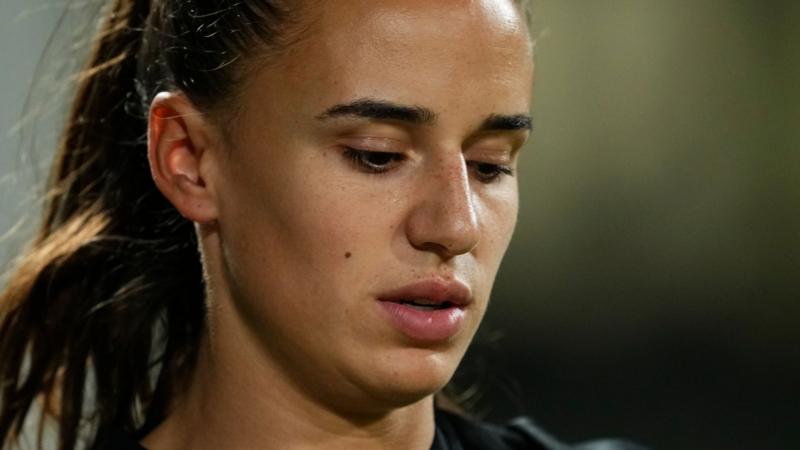
When Ashleigh Plumptre, former Notts County and Leicester City defender, made the decision to move her playing career to Saudi Arabia, the repercussions were broader than the usual sports headline. Speaking recently with BBC Sport, Plumptre expressed her regret over one specific outcome of her move: losing the trust of some LGBT fans within the realm of women's football.
Plumptre, who has always been more than just her performance on the pitch, has been a keen advocate for inclusivity and diversity in sports. This decision, therefore, placed her in a delicate situation, given the complex socio-political landscape regarding LGBT rights in Saudi Arabia. The country's stringent laws against the LGBT community contrast sharply with the more liberal viewpoints and legal protections in the United Kingdom, making her move prickly for many of her supporters.
The emotion behind Plumptre's acknowledgment is palpable. Her dual heritage – being of British and Nigerian descent – has already positioned her as a unique bridge between different cultures, both on and off the field. Her journey in professional football, from her early days in England to her stint in the United States playing for the USC Trojans, and then back to the UK, has been marked by an understanding of and advocacy for, a diverse player and fan base.
Her decision to play in Saudi Arabia is underscored by the country's recent ventures into sports, particularly women's sports, as part of its Vision 2030 plan. Saudi Arabia has been strategically investing in various sectors, including sports, to diversify its economy away from oil dependence and to reform its international image. This includes launching new football leagues and inviting international athletes to compete in and endorse these ventures.
Plumptre's move is a part of this bigger picture where international athletes are seen as ambassadors to help spur on changes and reforms. This is especially significant in a country where women have historically had stringent restrictions on their participation in sports and public life. However, critics argue that such moves by Saudi Arabia could be seen as "sportswashing", an attempt to overshadow the nation's problematic issues with human rights through high-profile sports investments.
The response to Plumptre's move highlights the ongoing conversation about the intersection of sports, politics, and human rights. Many fans feel that by accepting to play in Saudi Arabia, Plumptre might be indirectly endorsing the country's stance on LGBT rights. This situation serves as a reminder of the responsibilities and the impact sports figures have, given their influence extends beyond the stadiums.
This sentiment was not lost on Plumptre. In her interview, she spoke about her internal conflict and her hope to continue advocating for progress and inclusivity. "It's incredibly tough to feel like you've disappointed a community that you so deeply respect and belong to," she shared with BBC Sport.
As an athlete, Plumptre's move to Saudi Arabia could indeed advance the cause of women in sports there, painting an aspirational picture for women in a restrictive society. However, it also raises questions about the balance between professional opportunities and personal convictions, especially when it comes to representing minorities and vulnerable communities.
Ashleigh Plumptre's career decision has undeniably ignited a necessary debate on various fronts, including the role of athletes in social advocacy. Whatever the future holds for her career in Saudi Arabia, it's clear that this chapter will not only shape her legacy but also influence broader discussions on the global stage of sports about inclusivity, rights, and the complex web of socio-political factors that define our modern world.