Sheff Wed Faces Imminent Winding-Up Petition, Crisis Looms

– 2 min read

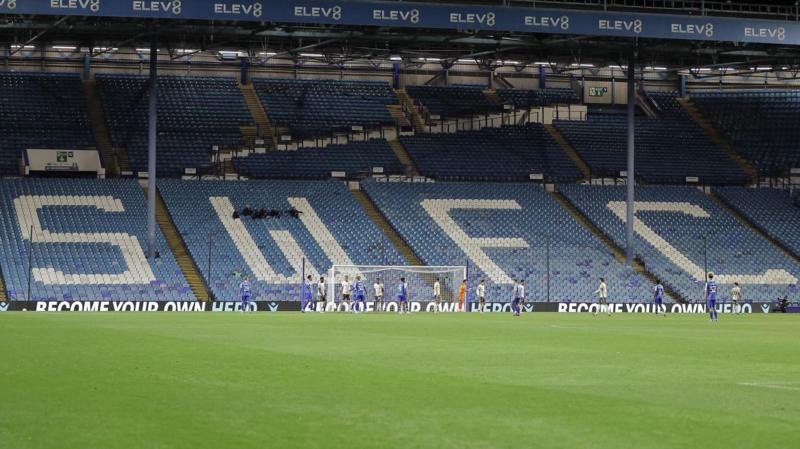
Sheffield Wednesday, one of the oldest and most storied football clubs in England, finds itself in a precarious financial position that could have significant impacts both on and off the pitch. The club is reportedly on the verge of being hit with a winding-up petition by Her Majesty's Revenue and Customs (HMRC) due to an outstanding debt of £1 million. This comes at a time when the club's finances are already under close scrutiny, and it raises serious concerns about its future stability and operational capacity.
Winding-up petitions are not unusual in the world of English football, where the financial balancing act often sees clubs walking a tightrope. Such petitions are a legal tool used by creditors, in this case, HMRC, to force the payment of debts by threatening the dissolution of the company if they are not settled. For a football club, this can lead to dire consequences including points deduction, transfer restrictions, and in severe cases, relegation or liquidation.
Sheffield Wednesday's financial woes are not new. Over the years, the club has faced several financial challenges that have threatened its stability. These issues have been compounded by the economic impacts of the COVID-19 pandemic, which severely affected the revenue streams of many football clubs. Matchday revenues, a significant source of income, were hit hard by the lockdowns and restrictions imposed during the pandemic.
The timing of this potential winding-up petition is particularly troubling for the Owls, as they are currently striving to regain stability and climb back up to the higher echelons of English football. The club, which was relegated from the Championship to League One at the end of the 2020-2021 season, has been looking to rebuild and achieve promotion, a goal that could be severely jeopardized by financial instability and the potential penalties that might accompany a winding-up order.
Sheffield Wednesday's management has been under considerable pressure to resolve these financial issues, and news of the potential HMRC petition only intensifies the need for a swift and effective response. In situations like these, clubs often enter into negotiations with creditors to arrange payment terms that are feasible without compromising the club’s operational capacity. Fans and stakeholders alike will be hoping that Sheffield Wednesday can reach a similar agreement with HMRC to avoid any drastic measures that could impact the team’s performance and future prospects.
Moreover, this situation serves as a reminder of the fragile financial health of lower-league football clubs, which do not enjoy the lucrative television and sponsorship deals that buoy the finances of Premier League teams. Financial Fair Play regulations have been implemented to help manage the finances of football clubs more prudently, yet cases like these highlight the ongoing struggles faced by clubs to remain financially viable within the competitive and often financially polarized world of football.
For Sheffield Wednesday, a club with a rich heritage dating back to 1867 and a dedicated fan base, the resolution of this current financial issue is crucial. The club's ability to navigate through this challenging time will not only determine its immediate future in terms of league competition but also its long-term viability as a cornerstone of the Sheffield community and a beloved icon in English football.
As the situation develops, the club, its fans, and the broader football community will be keenly watching for updates, hoping that a resolution can be found that ensures Sheffield Wednesday continues to thrive and contribute to the beautiful game. The outcome of this financial challenge could well be a defining moment in the club's illustrious history.