Secure Your Spot! Who Will Represent Africa in 2026 World Cup?

– 3 min read

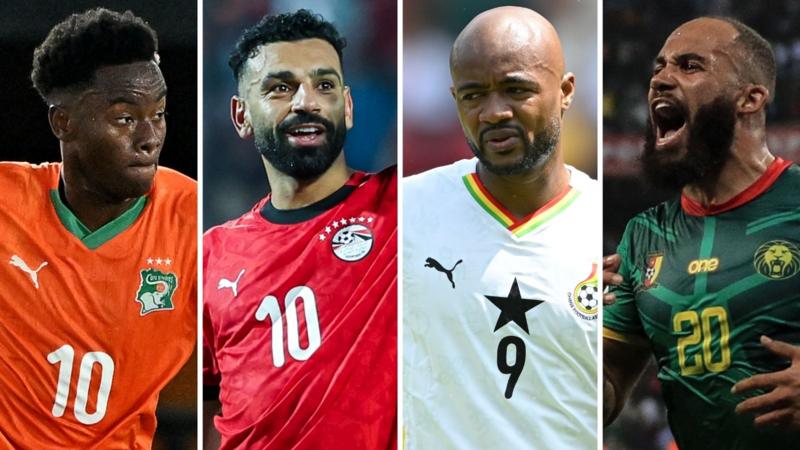
As the road to the 2026 FIFA World Cup unfolds, the intensity and excitement continue to build, especially on the African continent where teams are battling fiercely for a spot in world football's most prestigious tournament. The group stage of African qualifying is reaching fever pitch, and with only seven places left, every match could alter the fate of a nation dreaming of glory on the global stage.
The 2026 tournament, set to be hosted by the United States, Canada, and Mexico, will be notably different from its predecessors, not least because it will be the first to feature a 48-team format, expanded from the traditional 32 teams. Such expansion means that Africa has nine spots in total, unlike the five allotted in previous tournaments. This increase not only raises the stakes but also provides a broader platform for African nations to showcase their talents on the world stage.
Throughout the qualifying rounds, teams from across Africa have demonstrated both skill and determination, indicative of the continent's growing football prowess and its undying passion for the sport. Countries like Nigeria, Egypt, and Senegal have consistently shown strong performances in international competitions, and their journeys through the qualifiers are being watched by fans with bated breath. Meanwhile, underdogs and rising football nations such as Mali and Burkina Faso seek to defy odds and secure their place at the World Cup, hoping to make history.
The format of the African qualifiers involves several rounds of intense competition. Countries are first divided into groups, battling it out to top their respective tables or to secure enough points to advance. Success in these groups leads to the knockout stages, where the tension and excitement reach their peak. Every goal and defensive stop becomes monumental, as they could mean the difference between moving forward or going home.
The climax of the African qualifiers not only highlights the competitive spirit of the nations involved but also brings into sharp focus the players who are rising to the occasion. Household names in African football are expected to perform, yet it is also a stage for new talents to emerge and capture the attention of the world. These players are not just playing for a spot in their national squads but are also auditioning for opportunities in club football across Europe and other parts of the world.
The broader impact of the World Cup qualifiers transcends the boundaries of sport. For many countries, advancing to the World Cup is about more than just national pride and sporting achievement. It can lead to enhanced investment in sports infrastructure and youth development programs, which are vital for the growth of football at the grassroots level. Furthermore, successful qualification and a good performance at the World Cup have the potential to unite nations, providing a feeling of shared achievement and joy.
FIFA’s decision to expand the World Cup has been met with mixed reactions globally. Some fans and analysts fear that it might dilute the quality of the tournament, while others believe it opens the door for more stories of David versus Goliath and the kind of surprising performances that can make the World Cup truly magical.
As the qualifiers draw to a close, the anticipation is palpable. Every match and every goal is wrapped up in layers of national hopes and dreams. For many fans, the qualifiers themselves are as thrilling as the tournament. The journey to the 2026 World Cup is not just a series of games; it's a narrative of ambition, passion, and the universal language of football that unites the world. Football enthusiasts across Africa and beyond will be watching closely, cheering wildly for their teams and hoping to see their country's flag fly high on the grandest stage of them all.