Scotland Aims for World Cup Spot to Redeem Ukraine Loss!

– 2 min read

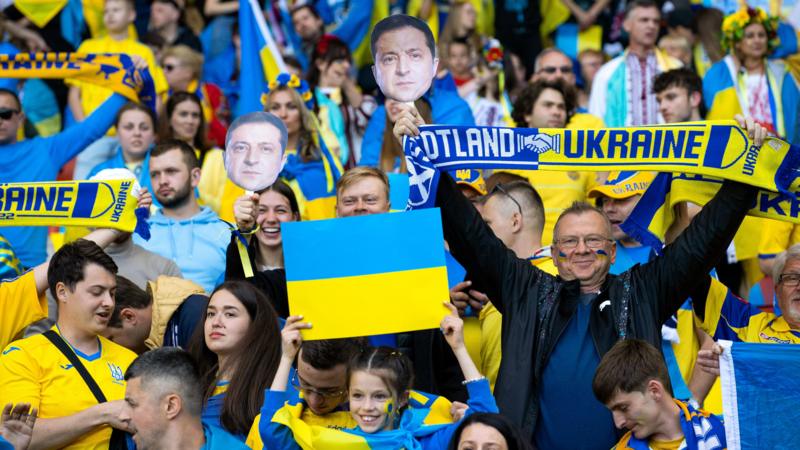
Scotland's head coach, Steve Clarke, has his sights firmly set on making amends for past disappointments by leading his team to World Cup qualification. The lingering dissatisfaction following Scotland's inability to defeat Ukraine in the play-offs for the 2022 finals is still palpable among fans and players alike. Clarke believes that securing a spot in the upcoming World Cup would not only redeem the team's previous misstep but also unify and galvanize the nation through its fervent football spirit.
The journey towards World Cup qualification is an opportunity for Scotland to reestablish itself on the global football stage. Clarke’s statement highlights more than just his ambitions; it underlines a national yearning for international football success, a dream unfulfilled since their last World Cup appearance in 1998. For many Scottish fans, their team's presence at a major tournament ignites communal pride and joy, characteristics embodied within the heart of Scottish football.
The road to recovery and success begins with a comprehensive strategy, and Clarke has been pivotal in revitalizing the squad’s dynamics and boosting the morale of his players. The focus is not solely on physical training but also on mental toughness, resilience, and the sheer will to overcome the hurdles that stood before them in the previous qualifiers. Lessons learned from the defeat against Ukraine have been critical in reshaping the approach towards upcoming qualifying matches.
Scotland’s squad is teeming with talent, promising a blend of experienced campaigners and budding young stars. Players like captain Andy Robertson, who has tasted Champions League success with Liverpool, bring invaluable experience and leadership. Meanwhile, younger talents such as Billy Gilmour and Scott McTominay offer fresh energy and creativity to the midfield. This mix of youth and experience is crucial as Scotland aims to build a team that can compete at the highest levels.
Furthermore, Clarke's tactical acumen will be tested as he devises game plans that best utilize his squad's strengths against a variety of opponents. Adaptability might be the keystone to achieving their goals, as each match in the qualifiers will present unique challenges. Understanding opponent tactics and adjusting accordingly will play a significant part in Scotland’s campaign.
Community and fan support are significant aspects of Scotland’s football culture and will be vital as the team pursues its qualification ambitions. The vivid scenes of supporters in kilts, faces painted with Saltires, cheering passionately, are staples at Scotland’s matches. This unwavering support is not just about the love for football; it’s about national pride and the collective hope for success on the world stage.
Moreover, the economic and social impacts of qualifying for the World Cup cannot be underestimated. It would likely lead to a surge in national interest in football, potentially increasing participation at grassroots levels and inspiring the next generation of footballers. The pride and economic boost from such a qualification would resonate far beyond the football pitch, affecting various facets of Scottish life.
In summary, Steve Clarke's aim to steer Scotland to World Cup qualification is a multifaceted endeavor, filled with the potential for national redemption, joy, and a reinvigorated national spirit. As the qualifiers approach, all eyes will be on Clarke and his squad as they attempt to translate their dreams into reality, driven by the desire to put past disappointments behind and pave a new path forward for Scottish football. The hope is not just to participate but to make a significant impact at the World Cup, thereby marking Scotland’s return to the forefront of international football.