Saudi Sports Chief Sparks Buzz with Man Utd Takeover Tease

– 2 min read

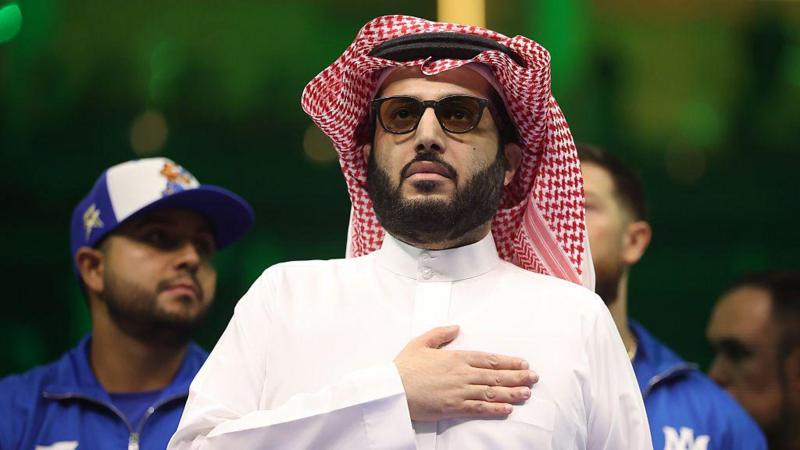
In recent times, the buzzing world of football has been stirred by rumors of a possible new ownership at Manchester United, one of the sport's most storied clubs. However, these talks of a takeover have been cooled down by club insiders, who maintain that there are no such advanced negotiations currently ongoing with any investor.
Turki Alalshikh, a prominent Saudi sports figure, recently hinted at potential significant investment in the Red Devils. Alalshikh's involvement in sports is not new; as an advisor at the Royal Court under the rank of minister, and chairman of Saudi Arabia’s General Entertainment Authority, he has been an instrumental figure in bringing various entertainment ventures, including sporting events, to the Kingdom. His claim that discussions were at an advanced stage caused quite a stir among fans and stakeholders of the club.
Manchester United, with its rich history and global fanbase, has often been at the center of takeover speculations. The club, founded in 1878, has won more trophies than any other club in English football, making it an attractive asset for potential investors around the world. Currently owned by the American Glazer family, who took control in 2005, the club has seen substantial commercial growth, albeit accompanied by controversy, particularly regarding the levels of debt incurred by the owners' leveraged takeover.
Fans have had a complex relationship with the Glazers. While commercial success and some on-field achievements have been notable during their tenure, many supporters have expressed dissatisfaction with the management's approach, especially concerning investment in player acquisitions and infrastructure. The club's debt levels and some disappointing seasons have only fueled fans' yearnings for new ownership that could potentially inject fresh enthusiasm and resources.
Alalshikh's comments came at a time when the financial climate in football is increasingly influenced by high-profile investments from large corporations and wealthy individuals, including several from the Middle East. Manchester City's transformative success under the ownership of the Abu Dhabi United Group is a testament to the potential impact of such investments. This context makes any hint of sale talks at United particularly tantalizing.
However, club sources have been quick to cool this latest round of speculation. These sources assert that while Manchester United is always open to potential strategic partnerships or investments that would serve the best interest of the club, there are currently no discussions that have reached an advanced stage. This denial is not just about refuting a specific claim but also about managing expectations in a landscape rife with rumors.
For fans, the clarity from the club might come as a relief or a disappointment, dependent on their views on the current ownership. What remains clear, though, is the allure of Manchester United in the global sports arena. Its brand, historical significance, and commercial prowess will continue to make headlines, attract gossip, and provoke debate about the future of football’s great institutions.
As the situation develops, stakeholders including fans, potential investors, and the wider football community will be watching eagerly. If history is any indicator, the story of Manchester United and its ownership is far from settled. In a world where football is as much about business acumen as it is about sporting achievement, the future of this behemoth will be keenly debated in boardrooms and stands alike. Whether or not the winds of change are blowing over Old Trafford remains to be seen, but the sails are certainly fluttering.