Salford Residents React to British Flags, Gary Neville's Impact Revealed!

– 2 min read

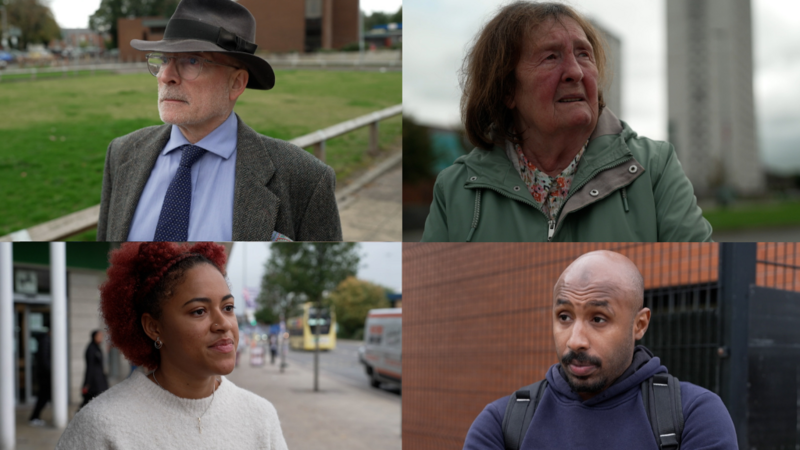
In a recent surge of interest surrounding football punditry, Gary Neville's comments about the flag and modern British patriotism have sparked a broader conversation about national identity in the UK. Over the last week, BBC Sport ventured to the streets of Salford, a city deeply ingrained with both football culture and industrial heritage, to gauge the pulse of the community on these contentious topics.
Salford, often overshadowed by its giant neighbor Manchester, has a unique perspective on patriotism and its symbols, including the flag. Historically a bastion of working-class ethos, the city has undergone significant transformations in recent decades, especially with the development of MediaCityUK, which houses major broadcasters and media companies.
The residents of Salford shared varied opinions on Gary Neville's stance, reflecting the city's diverse demographic and socio-economic landscape. Some agreed with Neville, suggesting that patriotism goes beyond mere symbols and should rather be about actions and contributions to society. "It’s not about the flag," stated Jane, a schoolteacher in Salford. "It's more about what you do for your community and how you support each other."
Others felt that symbols like the flag are crucial in maintaining a sense of national unity and pride, particularly in a world that seems increasingly fragmented. Mike, a veteran and a local pub owner, emphasized, "The flag stands for our history, our trials, and our victories. It's a symbol that unites us all, and respecting it is fundamental."
Gary Neville, known for his succinct and often straightforward punditry, has become a prominent voice in discussing broader social issues, transcending the realm of football. His comments on the flag and patriotism resonate with a broader debate about identity and belonging in contemporary Britain, a topic that has seen revived interest in the wake of Brexit and the global pandemic.
The BBC Sport interviews highlight a community engaged in reflection about what it means to be British in the modern age. These reflections are not confined to Salford. Across the UK, individuals are reevaluating the symbols and narratives that have traditionally defined Britishness. What emerges from conversations like those BBC Sport had in Salford is a picture of evolving identities, where old symbols are being reassessed, and new values are being embraced.
Education about the nation's history and the complexities surrounding its symbols plays a crucial role in shaping these perspectives. As Sandra, a local historian, pointed out, "Understanding the history behind our symbols is crucial. The flag has different meanings for different people, and that’s okay. It's about embracing that diversity."
Community leaders in Salford are also taking an active role in fostering a sense of inclusive patriotism. Initiatives aimed at engaging young people with different cultural backgrounds in community service and civic activities are gaining momentum. These programs aim to cultivate a sense of pride that is inclusive and representative of Britain's diverse population.
The discourse around flags and national symbols is often charged with emotion and polarized opinions. However, the conversations in Salford illustrate a more nuanced engagement with the topic, where personal experiences and local histories play significant roles in shaping individual views.
As the UK continues to navigate its path post-Brexit and address the societal shifts prompted by the global health crisis, the insights from cities like Salford provide valuable perspectives on how patriotism and national identity are being redefined in real-time. Listening to the voices from such communities can significantly contribute to the ongoing national conversation about what it means to be British today, making it inclusive and relevant for the future.