Rodgers Stunned: Controversy Over Celtic's Disallowed Goal Explodes!

– 3 min read

In a recent Europa League match that saw Celtic face off against Sporting Braga, controversy ensued which has left fans and analysts alike debating the finer nuances of football regulations. Celtic's equalizer was disallowed for handball, a decision that manager Brendan Rodgers found puzzling and somewhat unjust, particularly as no clear explanation was provided during or after the match.
The game itself was a high-stakes encounter typical of European nights, filled with all the drama and intensity that fans have come to expect from the Europa League. Celtic, under the guidance of Brendan Rodgers, displayed a blend of aggressive attacking and resilient defending, traits that have characterized Rodgers' tenure at the club. Sporting Braga, on the other hand, has also been known for their robust European performances, making this matchup a tantalizing affair.
The disallowed goal occurred midway through the second half, at a critical juncture of the game when Celtic was pressing for an equalizer after falling behind to an early second-half goal from Braga. As the ball found the net, Celtic players and fans erupted in joy, only for their celebrations to be cut short by the referee’s decision to disallow the goal for a handball infringement.
The decision was met with immediate protest. Replays and subsequent analysis suggested that the ball may have brushed against the arm of a Celtic player in the buildup. However, the contact appeared to be unintentional, a detail that fueled the debate around the new handball rules which have been a point of contention in the sport. According to the rule instituted recently by the International Football Association Board (IFAB), a handball must be deemed deliberate to be called, unless the arm or hand makes the body unnaturally bigger.
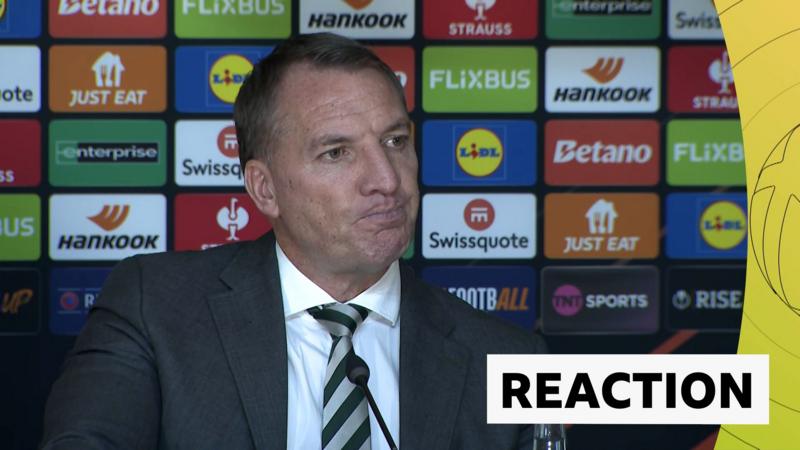
Brendan Rodgers, in post-match interviews, expressed his frustration and confusion about the decision. He highlighted the lack of communication and clear explanation from the officiating team on why the goal was disallowed. This incident raises important questions about the consistency and transparency of refereeing in crucial matches. The need for referees to communicate effectively with coaches and players to ensure clarity on decisions that can significantly impact the outcome of high-pressure games is more critical than ever.
This incident did not just cost Celtic a goal, but perhaps also shifted the momentum of the game. Sporting Braga eventually capitalized on the situation, adding to their score and winning the match. The result was undoubtedly a bitter pill for Celtic, who had shown great resilience and could have potentially shifted the game's dynamic with an equalizer.
The aftermath of the match has seen a significant amount of analysis and commentary around the incident, with many experts and fans calling for a review of the handball rule. This match has added to a growing list of games in recent seasons where the interpretation of handball has come under scrutiny. The consistency of these decisions is crucial for the credibility of the referees and the fairness of the game.
Moreover, this incident provides an important learning curve for the football governing bodies on the implementation and clarity of the rules. Football is a game of emotions, and when teams are stripped of rightful points due to questionable calls, it impacts more than just the scoreline—it affects the spirit of the game. Moving forward, ensuring that referees are not only well-trained but also consistent in their application of the rules will be imperative.
For Celtic and Brendan Rodgers, this game will serve as both a lesson and motivation. Despite the setback, the response from the team showed character and a willingness to fight until the last whistle. As they progress in the tournament and domestic competitions, how they handle this adversity will be telling of the team's resilience and unity under Rodgers’ stewardship.
As Celtic regroups from this setback, the broader dialogue surrounding rule clarification and referee communication continues. Ensuring fairness and transparency in football remains a pivotal concern as the sport evolves.