Revolution in Soccer: Will Inverted Wingers Dominate the Game?

– 3 min read

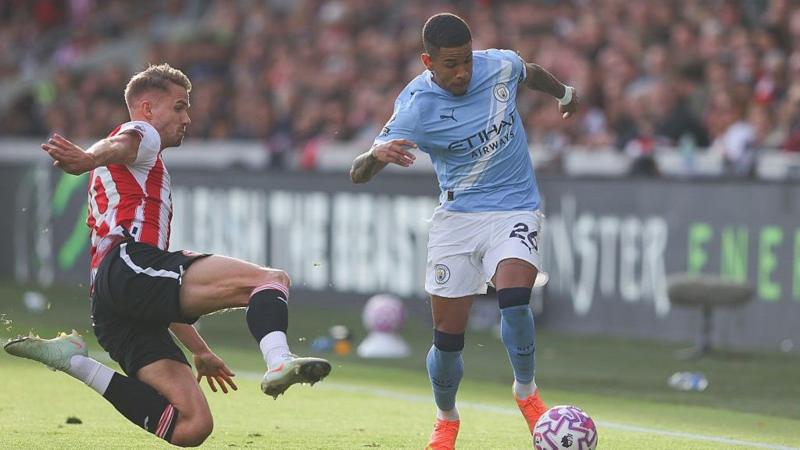
The strategic evolution in football is as relentless as it is fascinating. Recent seasons of the Premier League have showcased a distinct shift in the roles played by wingers. Particularly this season, there's been a noticeable increase in the use of inverted wingers, a trend that seems to be permanently altering the dynamics of the game. This tactical adjustment, while nuanced, prompts the question: is this leading to a less exciting version of football?
Traditionally, a winger's primary job was to hug the touchlines, beat the full-backs with speed and trickery, and deliver crosses into the box for the strikers. Legendary names like Ryan Giggs and David Beckham made their careers flourishing in this role, thrilling fans with their wide play and pinpoint crosses. However, the role and positioning of wingers have dramatically transformed.
An inverted winger, in contrast to the traditional winger, plays on the opposite side of their stronger foot. This means a right-footed player plays on the left wing and vice versa. The main idea behind this tactic is not merely to serve the ball from the sidelines but to cut inside toward the goal, combining with midfielders, taking shots, and even overloading the center of the pitch. This role alteration changes a winger from a mere supplier to a potent goal threat, as evidenced by the likes of Mohamed Salah and Son Heung-min, whose goal-scoring records speak volumes of this shift.
The strategic merits of employing inverted wingers are plentiful. It opens up new angles for attacks, making play more unpredictable and challenging for defenders. By cutting inside, these players can link more effectively with central attackers and even create spaces for overlapping full-backs, adding a new layer to the tactical setup. Pep Guardiola's use of such tactics during his tenure at Manchester City has often been pivotal in dismantling even the most robust defenses.
However, this tactical shift may also be contributing to a perceived decrease in the traditional excitement associated with wing play. The frequent sight of wingers racing down the sidelines to deliver a cross provided a visual and emotional spectacle that is arguably less frequent now. With inverted wingers, much of the play is drawn centrally, potentially leading to congestions in the middle and reducing the space and pace that used to define wing plays. This can lead to games feeling more tactical and less spontaneous.
Despite these concerns, it’s crucial to recognize the sophistication and the cerebral nature of employing inverted wingers. It adds layers to team strategies and provides managers with versatile attacking options. Additionally, it places emphasis on technical skill and tactical awareness, possibly leading to a higher quality of football.
Statistically, the impact of inverted wingers on game excitement can be examined through various lenses. Goal statistics from the last few seasons show a healthy scoring rate, suggesting that while the nature of attack may have shifted, its effectiveness hasn't necessarily declined. Moreover, defenders now face varied challenges, which in itself can be intriguing to tactically savvy viewers.
In summary, while there may be a nostalgic tint to the lament for the wide-man of old, the game of football continues to evolve. The rise of the inverted winger is yet another chapter in this ongoing narrative, altering not just how teams attack but how they structure their entire play. Whether this makes the game less exciting is subjective and vastly depends on what one considers the core thrill of football. The strategic depth and versatility brought about by this trend, however, add a compelling layer of sophistication that continues to redefine the beautiful game. In essence, the change isn't diminishing the excitement, but rather, it is redistributing it in a new, modern form.