Referee Taylor Reveals Abuse Deterring Family from Attending Games

– 2 min read

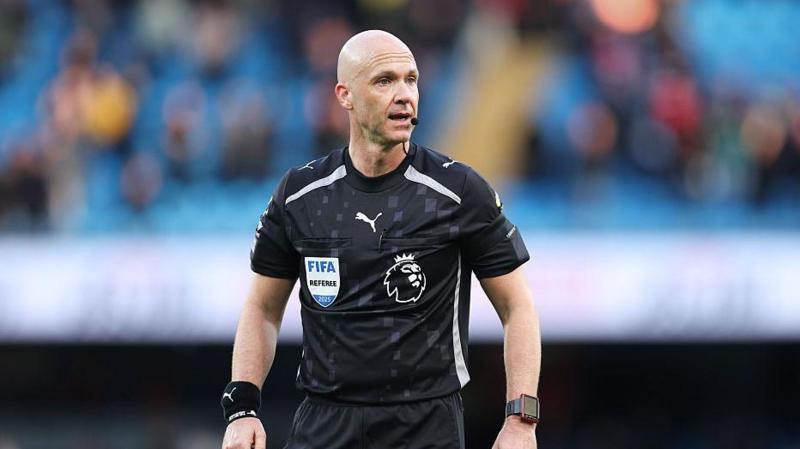
In the world of professional football, the pressure doesn't just weigh on the shoulders of players and coaches but extends to the often-overlooked figures on the pitch: the referees. Anthony Taylor, a prominent Premier League official, recently shared his perspective on the intense scrutiny referees face in an age where their decisions can be magnified and dissected instantaneously due to the surge in digital technology and social media platforms.
In his conversation with the BBC, Taylor expressed his concerns over the ever-growing "expectation of perfection" that referees are expected to meet in every match. It's an unrealistic standard, as Taylor highlighted, noting that, like players, referees are bound to make mistakes. However, the critical issue lies in how those errors are perceived and reacted to by the public and media alike.
Refereeing at the top level of football, like that seen in the Premier League, involves making split-second decisions under immense pressure, not just from the pace of the game but also the emotionally charged atmosphere stadiums bristle with. Every blow of the whistle can potentially change the course of the game, making each decision pivotal.
The evolution of technology in football, particularly with the introduction of the Video Assistant Referee (VAR) system, was intended to help reduce the margin of error in critical decision-making processes. While VAR has certainly aided in some aspects, it has also opened up new avenues for criticism, particularly when the on-field referee's initial call is overturned. This scrutiny is compounded by pundits and fans voicing their opinions through social media platforms, dissecting every move a referee makes.
Taylor pointed out that the role of a referee is often misunderstood. Their primary goal is to facilitate a fair and enjoyable game for everyone involved, ensuring that the rules are adhered to while maintaining the spirit of the sport. However, achieving this without error is a tall order, particularly in matches with high stakes.
The emotional toll that this expectation of perfection can have on referees is significant. They are professionals dedicated to their craft, spending countless hours studying the game, reviewing their performances, and training just as hard as the players they officiate. Yet, despite their expertise and dedication, there is little room for error in the eyes of the footballing community, and mistakes on the pitch can lead to severe repercussions, including personal abuse.
To combat the pressures and enhance the support system for referees, Taylor suggests that more needs to be done to educate the footballing public about the complexities of refereeing. This includes a transparent dialogue about the decision-making processes and the psychological and physical demands placed on referees at every level of the game.
Moreover, fostering a culture of respect and understanding towards officials could go a long way in alleviating some of the pressures they face. This change in perspective is essential not just for improving the atmosphere in stadiums but also in online discussions where too often the line between criticism and abuse can become blurred.
In conclusion, Anthony Taylor's reflections offer a crucial insight into the challenges faced by football referees today. It serves as a reminder that while the quest for perfection in football can drive the game to greater heights, it's also crucial to remember the human element involved and the unfeasible burden this places on those tasked with officiating the beautiful game. As we continue to enjoy the spectacle of football, perhaps it's time to lend a more supportive and understanding voice to those with the whistle.