Rangers Under Pressure: Will Past Decisions Influence Martin's Fate?

– 3 min read

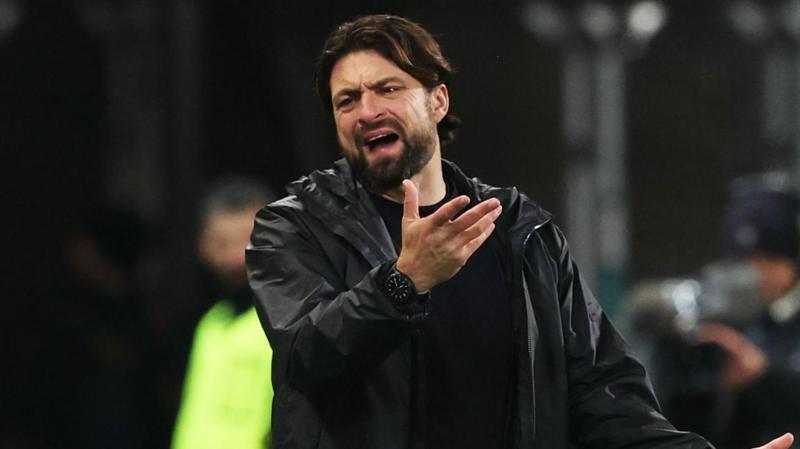
As the manager of Rangers, Russell Martin finds himself in the hot seat after a string of less-than-ideal performances. Sitting at the helm of one of the most iconic clubs in Scottish football, Martin's tenure is proving to be a challenging period, reflecting a pattern that has become all too familiar for Rangers in recent years.
Rangers, historically a powerhouse in Scottish football alongside their Old Firm rivals Celtic, have experienced a tumultuous period marked by managerial instability. In the past decade alone, the club has seen numerous managers come and go, each trying to leave their mark and steer the team back to the heights of their illustrious past.
Since the start of their financial troubles in the early 2010s, which culminated in the club's relegation to the third tier of Scottish football, Rangers have been on a bumpy road to recovery. The journey back to the top flight was arduous but marked by significant success in lower leagues; however, stabilizing at the highest level has proven difficult. Managers have come in with the promise of rebuilding and achieving new glories, only to depart, sometimes abruptly, under the weight of expectation.
This managerial merry-go-round at Rangers has seen figures like Mark Warburton, Pedro Caixinha, and Graeme Murty take charge, each bringing a different philosophy and approach to the club. The appointment of Steven Gerrard in 2018 was seen as a pivotal moment, signaling a new era of stability and potential. Gerrard's tenure saw Rangers win their 55th Scottish Premiership title, stopping Celtic from achieving ten consecutive titles. His departure to Aston Villa, however, opened the door once again to speculation and uncertainty.
Russell Martin stepped into this high-pressure role with the departure of Giovanni van Bronckhorst, who left after a series of disappointing outcomes. Martin, who had previous managerial experience with Swansea City, was seen as a capable choice to navigate the complexities of Rangers’ ambitions and expectations. His appointment was met with a mix of optimism and scrutiny, with fans and pundits alike curious to see if he could emulate the successes of his predecessors and bring a fresh tactical outlook to the side.
Martin’s approach, heavily focused on possession-based football and tactical discipline, is still under assessment. Despite showcasing some promising play, the inconsistency of results has fueled the fires of criticism. Football, especially at a club with the stature and fanbase of Rangers, rarely offers a lengthy grace period for managers to implement their vision, especially when immediate results don’t align with lofty expectations.
The history of frequent managerial changes at Rangers could play in Martin's favor. The board may opt for patience, giving Martin time to settle and adjust, wary of further destabilizing the squad with yet another change in leadership. On the other hand, this history might also work against him; it’s clear that the club does not shy away from making tough decisions if they believe it’s in the best interest of long-term success.
Looking ahead, Martin's primary challenge will be to find a balance between implementing his strategic vision and garnering the wins necessary to satisfy the demanding Rangers fanbase. Achieving success in domestic leagues and making an impact in European competitions will be crucial to securing his position.
In conclusion, while the weight of history and the expectations of passionate supporters are heavy burdens to bear, they also come with the opportunity to etch one’s name into the folklore of one of football's most storied clubs. For Russell Martin, the journey at Rangers is just beginning, and only time will tell if he will thrive or join the list of those who found the challenge just beyond their reach.