Rangers Struggle Again as Martin's Mentality Mantra Echoes

– 3 min read

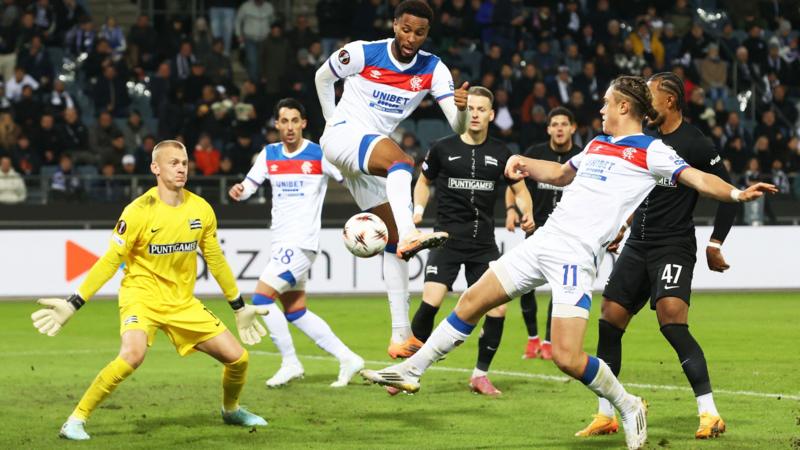
In a recent post-match interview, Rangers manager Russell Martin has pinpointed his squad's mentality as the reason behind their latest setback, a loss that adds to a string of disappointing outcomes for the storied club. This unexpected narrative shift away from tactical analysis to psychological factors opens up a fresh, introspective angle on what has been ailing this historic football team.
Despite possessing a skilled roster and employing a sophisticated tactical framework, Rangers have found themselves on the losing end more frequently than their fans are accustomed to. It's a scenario that prompts a broader inquiry into the complex dynamics of football where mental preparedness is just as crucial as physical readiness and tactical planning.
Martin's assertion that the team's mentality needs recalibration isn't a unique challenge in the world of sports. History is replete with examples of immensely talented squads that underperformed due to psychological factors. It's an aspect of sports that coaches like Martin must navigate, combining the roles of tactician and psychologist to elicit peak performance levels from their players.
The Rangers, with a deep-rooted heritage in Scottish football, are under constant scrutiny from a passionate fanbase. The pressure to perform and live up to the legacy of the club can be immense. Mental resilience, therefore, becomes a critical component of their training regime. While fans often focus on scores and stats, the psychological battles athletes face can be just as intense and decisive.
Following their latest defeat, Martin's focus on mentality over tactics can be viewed as a direct approach to fortify the spirits of his players. This can involve fostering a positive squad environment, concentrating on mental health, enhancing communication channels between players and coaching staff, and perhaps most importantly, managing the stress and expectations that come with wearing the Rangers jersey.
Martin's perspective on mental strength is validated by sports psychology. Preparing athletes mentally involves creating strategies to handle pressure, setback, losses, and the anticipation of high-stakes matches. Thus, acknowledging that the problem might lie in the team's mental approach rather than their tactical setup is a step towards solving it.
His approach to openly discussing the mental hurdles in the public eye can have a therapeutic effect on the players as well, letting them know that their struggles are seen and addressed. It helps in destigmatizing mental struggles and emphasizes the holistic approach taken by modern sports management where mental health is seen as integral to performance.
Moreover, focusing on mental resilience could potentially serve as the linchpin for turning around Rangers' fortunes. If the players can find the mental fortitude to match their technical skills, the club can aspire to regain its former glory and contend more robustly in both domestic and European competitions.
As Russell Martin continues to advocate for a more psychologically aware brand of football, it could not only redefine the strategic contours at Rangers but also set a precedent for other clubs facing similar challenges. This approach might very well dictate the next phase in the evolution of football coaching, transcending traditional methodologies to embrace a more comprehensive approach that includes mental fortitude as a fundamental pillar.
Thus, while the road ahead might be challenging, Martin's shift to spotlight mental strengths indicates a forward-thinking approach. How this transition transpires could be a defining narrative in his tenure with Rangers, offering intriguing insights into the bridge between psychological well-being and sports performance. Rangers' journey under Martin's guidance might just turn into a case study for sports psychologists and football aficionados alike, illustrating the undeniable link between mind and body in the pursuit of sporting excellence.