Pro Soccer's Harsh Reality: The Struggles of Being Gay Revealed

– 3 min read

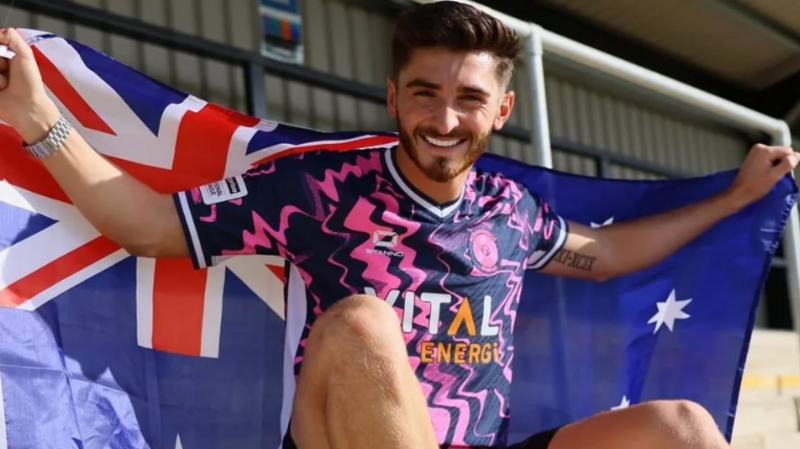
Since making headlines in October 2021 as the world's only openly gay top-flight male professional footballer still active in the game, Australian Josh Cavallo has become a prominent figure not only in sport but also in advocacy for LGBTQ+ rights. His recent move in July to Peterborough Sports in England marks a new chapter in his career, but also brings into sharp relief the ongoing challenges faced by LGBTQ+ athletes in football.
Cavallo's transfer to Peterborough Sports, a club competing in the Southern League Premier Division Central – part of the seventh tier of English football – might seem like a modest step in terms of the competitive level. However, the significance it holds for Cavallo and the broader conversation around homophobia in sport is substantial.
In discussing his experiences since moving to England, Cavallo expressed concerns that football still has "mountains to do" in addressing and combating homophobia. His candid commentary sheds light on the persistent struggles within the sport, despite some progress in recent years. Football leagues and associations worldwide have made strides, launching campaigns and initiatives aimed at combating discrimination. Yet, the fact remains that players like Cavallo are rare in men's football.
The hesitation among players to come out publicly suggests a larger, more systemic problem within the sport's culture. Homophobic chants and remarks are still heard in stadiums, and social media can be a hostile environment for those who dare to stand out. Cavallo’s courage in living openly is not just about personal truth; it serves as a beacon for many young athletes who grapple with their identity in an often unforgiving spotlight.
At the same time, Cavallo's move to England and to a club like Peterborough Sports, known for its community focus and supportive environment, highlights the potential for smaller clubs to lead the way in change. It's an opportunity for these teams to implement strong, zero-tolerance policies against discrimination and to foster an atmosphere where players feel safe and supported, regardless of their sexuality.
Moreover, Cavallo’s presence in Peterborough Sports has sparked discussions on how clubs can engage more actively with LGBTQ+ issues. It emphasizes the need for education and awareness campaigns that can help fans and players alike understand the impact of their words and actions. Engaging local communities and schools in these discussions could further cement the role of sports clubs as catalysts for change in society.
The broader impact of Cavallo’s career and advocacy reaches beyond the pitch. His story is a call to action for sponsors, governing bodies, and fans to examine how they can contribute to a more inclusive environment. Economic support from sponsors for LGBTQ+ inclusive campaigns, rigorous enforcement of anti-discrimination laws by governing bodies, and a conscious effort by fans to create welcoming stadiums are all critical to this movement.
Ultimately, Josh Cavallo’s journey is a reminder of the powerful role sports can play in societal change. By choosing to compete openly and speak out against prejudice, Cavally doesn’t just chase footballs; he shifts attitudes. His story encourages a rethinking of what it means to be a man in sports and challenges outdated stereotypes that often stigmatize discussions around masculinity and sexuality. It underscores a crucial message: embracing diversity not only strengthens teams but enriches the entire sport.
As football continues to evolve both on and off the field, the hope is that more athletes will feel empowered to come forward, and more fans will stand beside them. Cavallo's time in England could well be a turning point, a case study in how the courage of one can inspire a collective movement towards greater acceptance and equality in sport.