Premier League Rift: Clubs Clash Over Spending Cap Proposals

– 2 min read

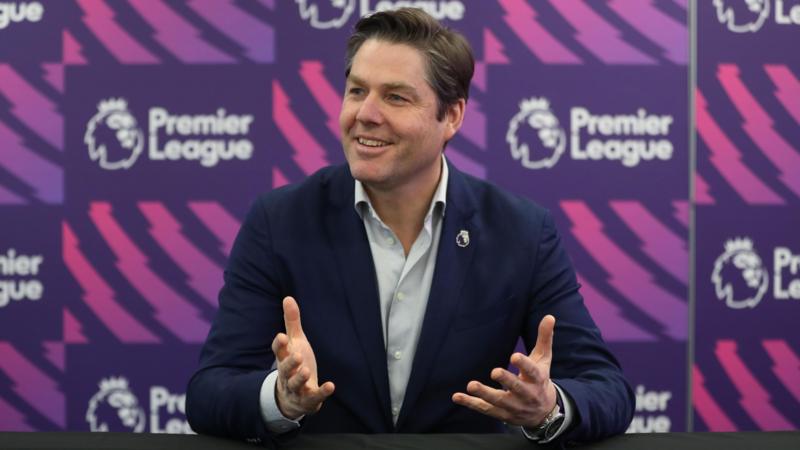
The debate intensifies in the Premier League as club executives grapple with the contentious proposal of introducing a 'salary cap' into one of the world's richest football leagues. This idea, meant to offer a level playing ground, is set to be voted on next month when financial regulations come under scrutiny. With economic disparities evident in the league, the argument for and against the cap is heating up.
The Premier League, known for its global appeal and high calibre of talent, sees clubs with varying financial prowess compete for the top spot. While clubs like Manchester City and Chelsea have benefitted from affluent owners and powerful sponsorships, others operate on relatively modest budgets. This economic gap has led to discussions about a salary cap—a regulatory tool that could potentially limit the spiraling player wages and foster a more competitive balance within the league.
Supporters of the salary cap argue that it would prevent wealthier clubs from hoarding all the top talent, which can lead to a predictable dominance in the league standings. For instance, leagues like the MLS in the United States and the NRL in Australia have seen benefits from similar regulations, leading to unexpected champions and a more diverse competition.
On the other side of the debate are those who believe a salary cap could diminish the league's attractiveness to top international stars. The Premier League's ability to attract names like Cristiano Ronaldo, Kevin de Bruyne, and Mohamed Salah has been seen as key to its global appeal and commercial success. Critics argue that imposing wage limits could hinder English clubs' competitiveness in European competitions, where they frequently face rivals with no such financial constraints.
Furthermore, the practical implementation of a salary cap in the Premier League presents its own set of challenges. Legal experts point out potential conflicts with European Union laws on free movement and employment. Adjusting to a capped structure would also necessitate a phased approach to avoid drastic impacts on clubs' existing contracts and financial planning.
Financial analysts also weigh in on the conversation, suggesting that rather than a flat salary cap, a more flexible structure like a luxury tax could be considered. This model, used by the NBA, taxes teams that spend above a certain threshold, redistributing that money to teams with lower payrolls. Such an approach could potentially reduce the financial disparity without directly limiting how much a player could earn, which might be a more palatable compromise for all parties involved.
Another angle to consider is the fan perspective. Supporters of smaller clubs often voice their frustration at the predictability of the league's outcome influenced by financial power. A salary cap could renew hope and interest, providing a refreshing unpredictability to the season's narrative.
As the vote approaches, each club will be considering not just the financial implications, but also the broader impact on the league's culture, international competitiveness, and reputation. This decision could mark a pivotal moment in the Premier League's illustrious history, potentially altering its course in the coming years.
Whatever the outcome, the discussion about a salary cap elongates the ongoing conversation about fairness and competition in sports. It underscores the delicate balance leagues must navigate between financial health, competitive integrity, and entertainment value. As this debate continues, it will undoubtedly attract attention from all corners of the football world, highlighting the complex but intriguing nature of sports administration.