Oviedo vs Espanyol Clash: Players Freeze in Protest!

– 2 min read

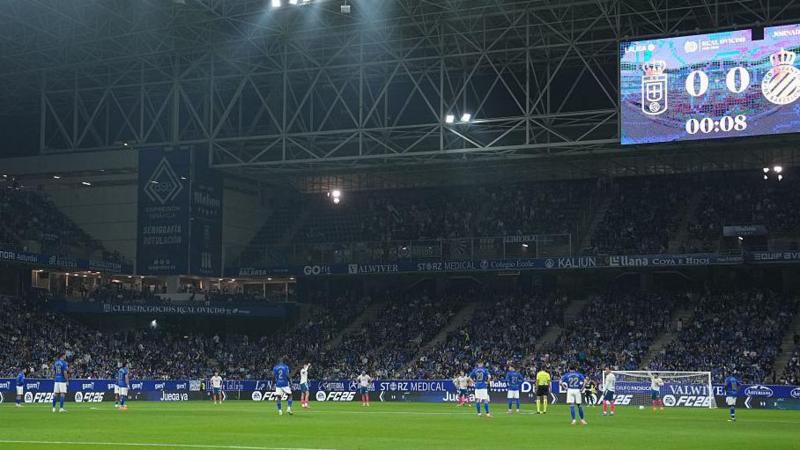
In a striking display of unity and protest, players from Oviedo and Espanyol stood motionless for the first 15 seconds of their match this Friday. The coordinated inaction was not due to a lack of readiness or spirit but as a poignant statement against La Liga's recent decision to hold a regular season game between Villarreal and Barcelona in Miami, USA.
This is not the first instance of football becoming a platform for protest, but the implications of La Liga’s choice have sparked a wave of reactions that highlight the tension between commercial interests and the traditions and accessibility of European football.
La Liga’s decision to play one of its matches abroad is part of a broader strategy to expand the league's global reach and increase international fan engagement. Similar strategies have been adopted by other leagues, most notably the NFL and NBA in the United States, which have hosted numerous games in London and other parts of Europe and Asia. La Liga hopes that playing games internationally will help in cultivating a broader fan base and increase global sponsorship and media revenue.
However, this move has been met with resistance from various quarters. Fans and football purists argue that such a shift undermines the local supporters who have sustained these clubs for decades. Many see the domestic league games as the lifeblood of local communities, and by relocating these matches, they fear the erosion of the club’s local identity and tradition. Additionally, concerns about the additional travel strain on players and the environmental impact of such events have been raised.
In staging their protest, the players from Oviedo and Espanyol have made their discontent clear. Their actions echo a sentiment that is deeply rooted in the football community—that the sport should first and foremost serve its local fans and respect the players' and fans' connection to their home regions. This brief demonstration on the pitch served as a vivid reminder of the players’ stance on maintaining the sanctity of the domestic league’s matches.
With their protest, the players also drew attention to the broader issue of governance in football. It raises questions about who truly benefits from these decisions and how the voices of players and fans are considered in the administrative corridors of power. This scenario showcases the ongoing debate between commercial expansion and maintaining the cultural and community-based aspects of football.
The ripple effects of this protest might go beyond the immediate disruption of a match’s kickoff. It might prompt stakeholders at all levels—administrators, players, sponsors, and fans—to reevaluate how the game is managed and for whom it is really being played. As football continues to grow as a global spectacle, the balancing act between commercial incentives and keeping the core fanbase satisfied becomes ever more delicate.
La Liga may find itself at a crossroad, needing to strategize carefully how to navigate the pushback while still pursuing its global ambitions. As for the players and teams like Oviedo and Espanyol, their stand in that brief moment before the kickoff whistle might just spark deeper discussions and potential reevaluations of policies that currently govern the beautiful game.
As with any profound change in tradition-bound sports like football, there will be push and pull from all sides. But the crux remains, how to honor the spirit of the game while innovatively expanding its horizons. This incident, though small in the duration of its occurrence, may well resonate in the larger narrative of football in the modern era.