Over 900 EFL Players Faced Online Abuse Last Season

– 3 min read

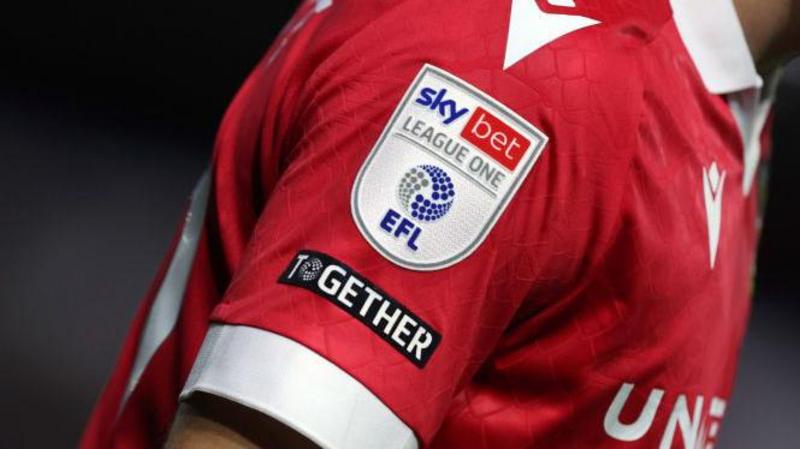
In an alarming revelation that highlights the ongoing struggle against cyberbullying in sports, the English Football League (EFL) has disclosed that around 900 players encountered online abuse during the last season. This staggering statistic not only sheds light on the pervasive nature of the problem but also underscores the urgent need for more effective measures to protect athletes from such harmful interactions on digital platforms.
Online abuse is increasingly becoming a significant concern within the realm of professional sports. With the evolution of social media, players are more accessible than ever to fans—and unfortunately, to detractors. This accessibility, while beneficial in strengthening connections between athletes and supporters, also opens the door to negative and often damaging interactions. Players from various clubs across the league's three divisions—Championship, League One, and League Two—have been affected, signaling that this issue cuts across all levels of professional football.
The psychological impact on players subjected to such relentless negativity can be profound. Athletes often struggle with mental health issues stemming from this abuse, which can affect their performance on the field, their personal lives, and their well-being. It's essential to understand that behind the statistics are individuals who face severe repercussions from these online encounters.
Addressing this serious concern, the EFL has been proactive in instituting policies and collaborating with social media platforms to combat online abuse. Efforts include stricter enforcement of community guidelines by social media companies, improvement in the reporting mechanisms available to users, and educational campaigns aimed at promoting more responsible online behavior. Despite these efforts, the high number of impacted players indicates that much work remains to be done to create a safer online environment.
Clubs and players have not remained silent on this issue. Many have publicly condemned the abuse and supported teammates who have been targeted. This solidarity is crucial in fostering a team environment where players feel supported both on and off the field. Furthermore, initiatives like the "Kick It Out" campaign, which aims to tackle racism and discrimination in football, have been instrumental in raising awareness and promoting inclusivity within the sport.
Professional footballers, such as Marcus Rashford and Raheem Sterling, have used their platforms to speak out against racism and other forms of online harassment. Their voices have amplified the call for change, challenging both authorities and fans to reflect on the impact of their words and to strive towards more positive and respectful interactions online.
The EFL’s report is a call to action for all stakeholders involved in football and in the broader sports community. It begs for a comprehensive strategy involving leagues, clubs, fans, and social media networks to address and mitigate the risks associated with online platforms. Education plays a pivotal role in this strategy, helping to cultivate a community that respects and upholds the dignity of all players.
Moving forward, the EFL's revealing findings could hopefully serve as a catalyst for broader discussions and more robust actions against online abuse in sports. It's a collective responsibility to ensure that our digital arenas are as respectful and safe as our physical ones. As we continue to enjoy the immense benefits that technology brings into our lives, let us also commit to wielding it with care, respect, and humanity.
In conclusion, while the digital age offers unprecedented opportunities for connection and engagement in professional sports, it also presents new challenges that need to be addressed decisively. The issue of online abuse is a serious one, impacting not just the English Football League but the global sporting community. It's critical for everyone involved to work towards eliminating this toxic behavior, ensuring football remains a game celebrated for its spirit of sportsmanship and unity.