Martin's Rangers Collapse: Inside the 123-Day Reign Disaster

– 2 min read

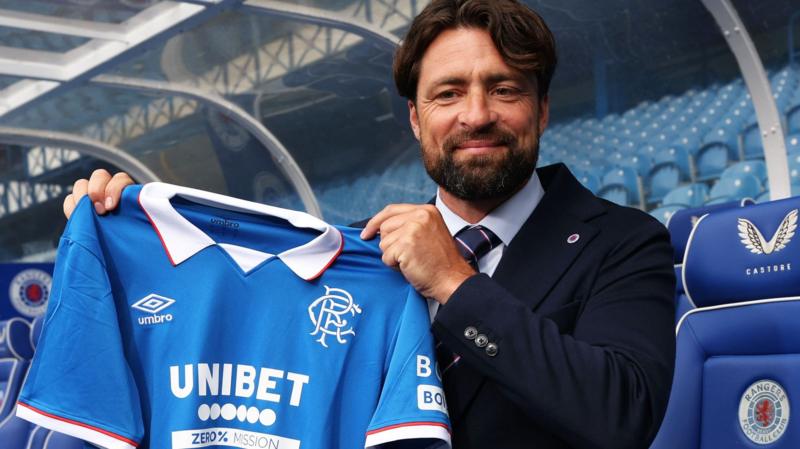
When Russell Martin stepped up as the manager of Rangers, he was well aware of the skepticism surrounding his appointment. From day one, he made it clear he intended to silence the doubters. However, the football world is unpredictable, and Martin's tenure at Rangers has ended abruptly after just 123 days.
Martin took over a squad that was in a state of transition, aiming to build on the storied legacy of the club while implementing his own vision. His approach to the game was geared toward modern tactics, focusing on possession-based football and tactical flexibility. Supporters and critics alike were keen to see if his strategies could indeed bring success to the Rangers.
His previous managerial experience with Swansea City showed that Martin could inspire a team to play attractive, effective football. At Swansea, his philosophy was centered on controlling the game and creating a tight-knit team ethos. However, transitioning this approach to a club with the stature and expectations of Rangers was a significant challenge.
The pressures of managing a club like Rangers are immense. The fans are passionate and have high expectations, both in domestic competitions and in European matches. Every decision a manager makes is heavily scrutinized, and the margin for error is minimal. This environment can be particularly challenging for a new manager trying to implement a distinct tactical approach.
Martin's short tenure had its ups and downs. There were glimpses of the potential that could be achieved under his guidance—moments where the team played cohesive, dynamic football that excited the fans. However, inconsistency plagued the team, leading to disappointing results that ultimately left the supporters and the club's hierarchy unsatisfied.
Managing a club like Rangers also involves navigating complex dynamics off the field. The expectations from the board, the demands of dealing with the media, and maintaining morale in the locker room are all critical aspects that a manager must handle adeptly. Each of these elements adds layers of complexity to the already challenging task of securing wins on the pitch.
The decision to end Martin’s stint as manager was as swift as it was surprising. It underscores the often cutthroat nature of football management, where results must meet expectations swiftly, or changes are made. For Martin, his ambitious project at Rangers was cut short, not allowing him the time some might argue is needed to truly see a manager's vision come to fruition.
Rangers now face the task of finding a new manager who can handle the intense pressure and guide the team to success. This next appointment will be crucial, as the club looks to maintain its competitive edge both domestically and in European contexts. The new manager will need to balance the short-term goal of winning matches with the long-term ambition of building a team capable of sustaining success.
As for Russell Martin, this experience, though brief, adds to his journey and learning in the world of football management. Often, the lessons learned in such high-pressure situations can pave the way for future success. His next steps will be closely watched, as many will be curious to see where his coaching philosophy and skills will take him next.
In football, the end of one chapter often leads to the beginning of another. Both Rangers and Russell Martin will look ahead to new chapters, hoping for success and redemption. For Rangers, the search begins for someone who can realize the aspirations of their fervent fan base. Meanwhile, Martin will reflect on his brief spell in Scotland and prepare for the next opportunity to prove his tactical acumen and resilience in the challenging world of football management.