Maccabi Tel Aviv Rejects Villa Tickets, Sparks Controversy

– 3 min read

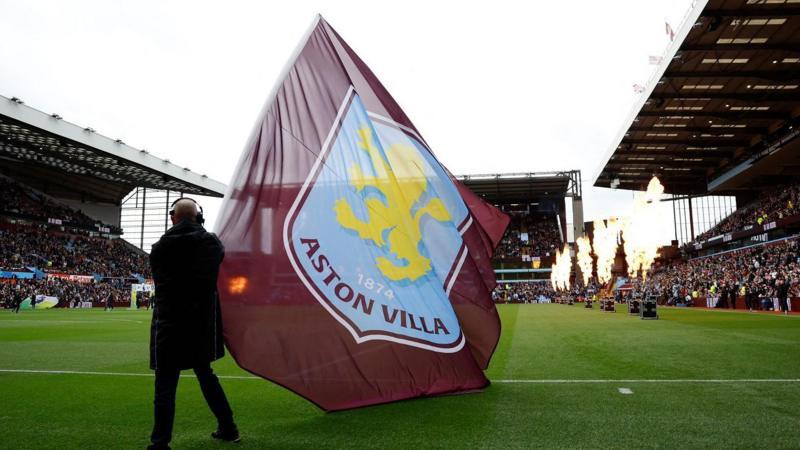
In what has become a significant development in European football, Maccabi Tel Aviv has made headlines by declaring that they will refuse any ticket allocation for their fans from Aston Villa, even if the existing ban on their supporters for the upcoming Europa League match is lifted. This decision underscores the escalating tensions and concerns over fan safety that increasingly pervade international sports events.
The controversy began when Aston Villa, the renowned English football club, cited security concerns as the reason for prohibiting Maccabi Tel Aviv supporters from attending the match slated for next month at Villa Park. This preemptive move has sparked a considerable amount of debate about the balance between security and the right of fans to support their teams in foreign venues.
Maccabi Tel Aviv's stance is particularly notable in the context of the club's history and its relationship with its fan base. Renowned for their passionate and loyal following, Maccabi has always seen robust support at both home and away games. The club's decision to stand in solidarity with their supporters by refusing tickets, should the ban be overturned, is a bold statement about prioritizing the welfare and sentiments of their fans.
The decision could be seen as part of a broader strategy to ensure their supporters' dignity and safety, avoiding potential scenarios that could exacerbate the situation. There is also an implied criticism of the measures taken by the hosting club – suggesting perhaps that the security concerns could be addressed in a manner that does not involve excluding supporters.
This incident brings to light the broader issues of safety and discrimination in sports. While safety at sporting events is non-negotiable, the approach to achieving it is also critical. The outright ban of away supporters can often seem like an extreme measure, one that could potentially fan the flames of discord between rival fan bases. Moreover, this is happening in the backdrop of football's ongoing battle with discrimination, raising questions about how decisions such as these affect the efforts to create a more inclusive and welcoming environment in sports.
From a broader perspective, the role of UEFA in such disputes is also significant. As the governing body for European football, UEFA has guidelines and policies aimed at ensuring safety and fair play both on and off the pitch. Decisions made by individual clubs must align with these broader regulations, and any deviation can lead to significant scrutiny and potential penalties.
Looking ahead, the implications for both clubs are profound. For Aston Villa, the move could be seen as a proactive step towards ensuring the safety of all attendees, but it could also impact the club's image and relationships with other clubs and their supporters. How this decision plays out in the media and among fans could influence future policies related to fan participation and security.
For Maccabi Tel Aviv, the refusal to accept tickets, even if offered later, positions them as a club deeply connected with and protective of their supporters. It sets a precedent in how clubs might handle similar issues in the future and underscores the importance of fan communities in the sports ecosystem.
As the match approaches, all eyes will be on how these decisions impact the atmosphere around the game and the interactions between the clubs and their respective leagues. It raises essential questions about the balance between security, fan engagement, and the spirit of sportsmanship in international football.
In the end, the hope remains that solutions can be found that safeguard the interests and safety of all parties involved, ensuring that the beautiful game remains just that—a celebration of competition, unity, and mutual respect.