Liverpool Struggles with Trent Absence: Impact Analysis

– 3 min read

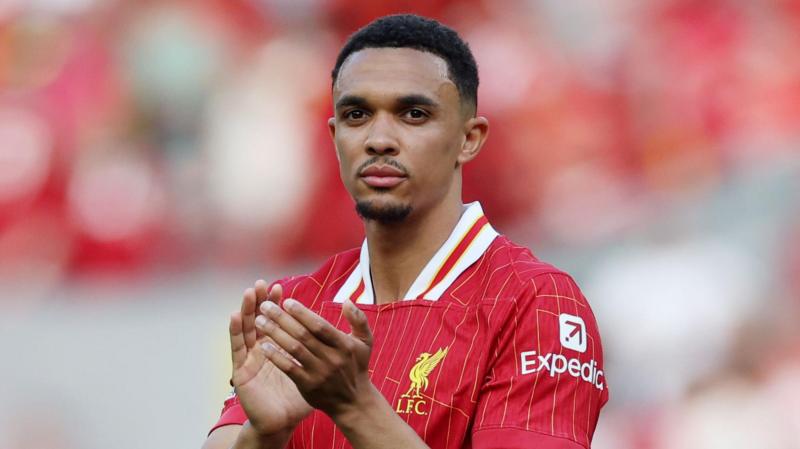
With Trent Alexander-Arnold no longer donning the red of Liverpool, fans and analysts alike are diving deep to unravel the mysteries behind the team's recent performances. It's clear that, since his departure, the void he's left behind has had more of an impact than many might have anticipated. Alexander-Arnold, a local lad made good, was more than just a right-back; he was a pivotal figure in Jürgen Klopp’s dynamic system at Liverpool, renowned for his incredible passing range, attacking flair, and defensive contributions.
First and foremost, Trent Alexander-Arnold contributed significantly to Liverpool's attacking prowess. Known for his exceptional ability to deliver crosses and long balls, Alexander-Arnold was instrumental in setting up plays from the back, turning defense into attack in an instant. His vision and accuracy meant that the right side of Liverpool's formation was always a buzzing hub of activity, with opponents often left scrambling to cover gaps he so effortlessly exploited.
His departure has notably dimmed this sparkle on the right flank. Without his skilled deliveries and tactical awareness, Liverpool has had to reconfigure their approach, leaning more on the left flank or central routes which, while still effective, do not quite replace the unique qualities Alexander-Arnold brought to the team. This shift has slightly altered the team’s dynamics and potentially made them more predictable to well-organized defenses.
Defensively, while Alexander-Arnold faced criticism at times for his positional play, his speed and intelligence typically allowed him to recover quickly, maintaining Liverpool’s high-line defense. His ability to track back, coupled with his keen sense of when to press opponents, added an extra layer of security. The current squad has had to adapt to his absence, potentially affecting the overall solidity and coordination at the back, contributing to a defensive line that now appears more vulnerable, especially on counter-attacks.
Liverpool's renowned set-piece danger has also taken a hit. Alexander-Arnold’s precision on free kicks and corners was a key asset, leading to numerous pivotal goals in past seasons. His knack for pinpointing the ball right onto the heads of waiting forwards like Virgil van Dijk or delivering it to the feet of Mohamed Salah positioned around the box was unmatched. The responsibility has now shifted to other players who, while capable, haven’t yet shown the same level of efficacy in these crucial moments.
Moreover, Alexander-Arnold's departure impacts team morale and leadership. Growing up in the Liverpool Academy, he embodied the club’s spirit and ethos, often inspiring his teammates with his dedication and passion for the club. His connection with the fans, being one of their own, created an invaluable rapport that boosted the spirits around Anfield during both triumphant and trying times.
The task of filling Alexander-Arnold's boots has fallen to a combination of new recruits and existing squad members who are adjusting to expanded roles. While these players bring their strengths, the blend of youthful energy and proven experience that Alexander-Arnold represented isn't easily replicated. His understanding of Liverpool’s playing style, developed over years under Klopp’s tutelage, made him a player perfectly attuned to the demands and rhythms of Premier League football.
As Liverpool continues through the season, they are certainly missing the multifaceted skills that Alexander-Arnold provided. The challenge for Klopp and his coaching staff is not only to find a reliable tactical adjustment but also to inspire other players to step up and fill the gaps in leadership and skill left by such a key figure. It’s a testament to Alexander-Arnold’s impact that his absence is felt not just in the statistics and line-ups but in the very nature of Liverpool’s game. Rebalancing and recalibrating is crucial as they navigate this transitional period, aiming to keep their competitive edge sharp in both domestic and European fronts.