Lennon Warns: Abuse May Scare Off Potential Old Firm Managers

– 2 min read

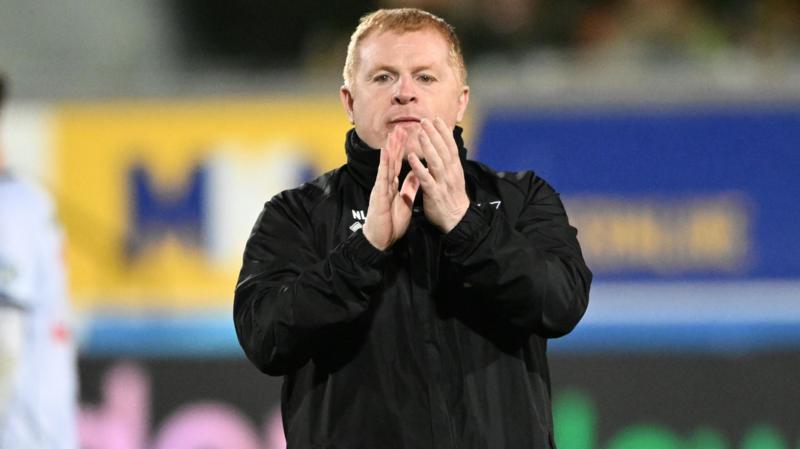
Neil Lennon, with his extensive background in Scottish football both as a player and manager, recently voiced concerns over the potential deterrent effect the intense scrutiny and abuse faced by managers at Celtic and Rangers might have on attracting new coaching talent. His insights into the Old Firm rivalry—featuring Glasgow's two behemoths, Celtic and Rangers—are drawn from firsthand experiences that illuminate the challenges and pressures unique to this high-stakes footballing environment.
The Old Firm derby, known for being one of the most intense and fiercely contested rivalries in world football, doesn't just extend to the players and fans. Managers are similarly caught in the crossfire of expectations and emotions that these matches stir up. Given its global following and historical significance, every move a manager makes is under intense scrutiny. Furthermore, the cultural and religious undertones of the rivalry add an extra layer of complexity to managing either of these two clubs.
During his time managing Celtic, Lennon himself was often a direct recipient of the ferocity that this rivalry can incite. Throughout his managerial tenure, he faced several high-profile incidents of abuse, both in person at games and online. These incidents ranged from being attacked at the sidelines during matches to receiving threats to his personal safety, shining a light on the darker side of football rivalries. Despite returning to Celtic and leading the team to numerous successes, including Scottish Premiership titles and domestic cups, the underlying tension never fully dissipated.
Lennon’s concerns about attracting new coaching talents to these roles are grounded in his own experiences. The relentless pressure and often personal attacks can make the job seem less appealing to potential candidates who might otherwise be interested in steering a team with a rich history and passionate fanbase towards glory. The allure of managing a top club in Scotland could be overshadowed by the potential for intense scrutiny and abuse, becoming a significant factor for consideration.
Beyond just personal anecdotes, the impact on professional life and mental health for those in such high-pressure positions can be profound. Former managers of both Celtic and Rangers have spoken in the past about the need to possess a thick skin and the ability to compartmentalize professional and personal life. The strain can extend off the pitch, affecting family life and personal well-being, which must surely weigh on the minds of prospective managers.
To counter this trend and ensure that top coaching talent remains attracted to these positions, both clubs might need to consider strengthening their support structures for managers. This could involve enhanced security measures, more robust mental health support, and public relations efforts to curtail forms of abuse, particularly from the more extreme segments of their fan bases.
The Scottish Football Association and the clubs themselves play pivotal roles in setting the tone and creating an environment that upholds respect and professionalism, not just among players but also among the fans and wider community. Efforts to educate fans and promote a culture of respect, combating the sectarianism that has historically blighted the football scene in Scotland, are ongoing but remain a challenging aspect of managing in such an environment.
In essence, while the jobs of managing Celtic and Rangers come with great prestige, the roles also carry a burden that not everyone is capable of shouldering. Balancing these aspects will be critical as both teams look to the future, seeking to continue their legacies while also ensuring that the sidelines are a safe and respectful place for all. As the footballing world evolves, perhaps so too will the experiences of those brave enough to take the helm at these storied clubs.