Iraola Fumes Over Controversial Late Penalty Call!

– 3 min read

In a dramatic finale at Selhurst Park, the Premier League clash between Bournemouth and Crystal Palace ended in a spellbinding 3-3 draw, leaving fans on the edge of their seats until the final whistle. However, the talking point of the match was the controversial penalty awarded to Crystal Palace in the dying moments of the game, a decision that has sparked a wave of discussion and debate across the football community.
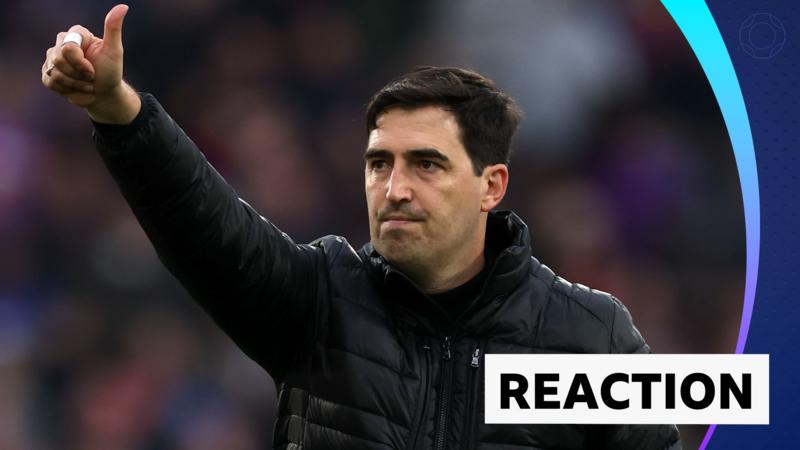
Bournemouth's manager, Andoni Iraola, expressed significant frustration over the penalty decision that came in the 96th minute of the match. Crystal Palace's Marc Guehi was involved in a tussle with Bournemouth's Bafode Diakite during a corner kick, which concluded with Guehi on the ground and the referee pointing to the spot. The penalty, converted by Palace, snatched a draw from the jaws of a definite Bournemouth victory, leaving Iraola and his team visibly upset and in disbelief.
Iraola, who has been known for his calm demeanor and tactical nous, could not hide his disappointment in the post-match interviews. He highlighted the impact such decisions could have not just on a single game, but on the morale and standings of a club fighting for every point in one of the world's most competitive leagues. The decision to award the penalty, according to Iraola, was difficult to accept, stirring a sense of injustice within the Bournemouth camp.
This incident brings to light the ongoing debates surrounding the use of VAR (Video Assistant Referee) and the consistency of refereeing decisions in the Premier League. While VAR was implemented to aid referees in making the correct decisions, its application and the eventual decisions made on the field continue to be points of contention. In this case, the role of VAR in confirming the on-field decision without clear and obvious error has come under scrutiny.
Looking back at the game, it was a thrilling encounter with both teams displaying a relentless desire for victory. Bournemouth showed resilience and tactical awareness as they went toe-to-toe with a strong Crystal Palace side. Players from both teams were exceptional, contributing to a match that had all the elements of a Premier League classic: pace, precision, drama, and, unfortunately, controversy.
The implications of these decisions go beyond the immediate results. For a team like Bournemouth, every point matters in their quest for stability and success in the Premier League. The psychological impact of such decisions could influence player performance and team morale, which are crucial for a club that needs to keep its spirit high and gather as many points as possible to avoid the relegation battle.
Moreover, controversies like these fuel the ongoing discussions about the nature of football refereeing and governance. They bring up questions about fairness, the human element of refereeing, and the technological support referees receive. It also sparks debates among fans, experts, and officials about the balance between maintaining the flow of the game and achieving accuracy in decision-making.
In the grander scheme of the Premier League narrative, this match will certainly be remembered for its electrifying football and the dramatic finale. Yet, the broader conversation about the fairness and accuracy of critical decisions in crucial moments is one that will continue to evolve. As fans, while we relish the unpredictability and drama that football invariably provides, we also yearn for consistency in how the game is refereed. After all, at the heart of sportsmanship is the undying pursuit of fairness, both on and off the pitch.
As for Iraola and Bournemouth, this match might serve as a pivotal point in their season. How they respond to this setback could define their campaign. Resilience in the face of adversity is often the hallmark of greatness in sport, and Bournemouth's journey through the Premier League this season promises to be a testament to their character and ambition.