Internet Outage Impact: West Ham vs Brentford Clash Disrupted!

– 2 min read

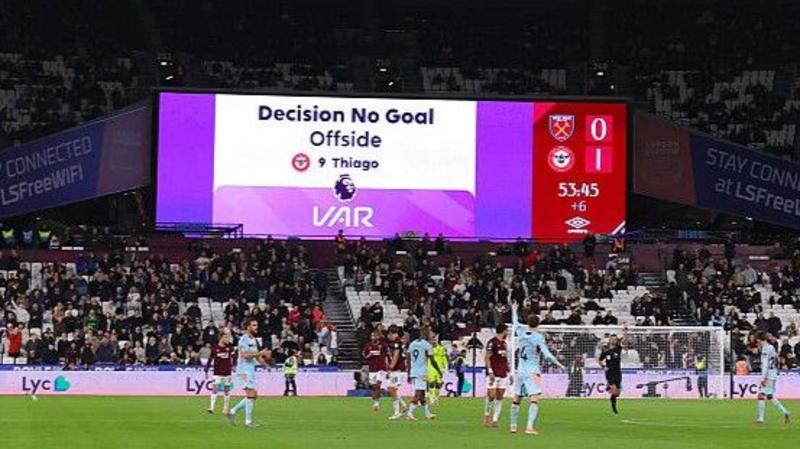
In an unexpected twist during a Premier League showdown, Brentford's win over West Ham was influenced by more than just on-field tactics and player performance. A global outage of Amazon Web Services (AWS) had a unique, if not initially apparent, impact on the game's dynamics, showcasing just how intertwined technology has become with professional sports.
The incident occurred just as Brentford secured a challenging 2-1 victory over West Ham. Typically, the fallout from a tech failure might be expected to influence administrative functions or perhaps the broadcast quality. However, in this case, the AWS outage had a very particular consequence — it disrupted the performance analysis tools used by the coaching staff.
Premier League teams, like many sports franchises worldwide, have increasingly relied on real-time data analytics to make strategic decisions. These systems, powered in many cases by cloud infrastructure providers like AWS, track everything from player positioning to optimal passing paths and fatigue levels. Coaches and analysts pore over this data during the match to adjust tactics and make informed decisions on substitutions and formation adjustments.
For Brentford, the ability to access this data in real-time is crucial. It enables a dynamic response to the flow of the game, something that's particularly important for a club that, while less storied than many of its Premier League counterparts, has been praised for its strategic, data-driven approach to the game. The outage, therefore, presented an unforeseen challenge, potentially crippling a key component of their game management.
But far from derailing their efforts, the situation demonstrated Brentford’s flexibility and resilience. With their usual high-tech tools temporarily unavailable, the coaching staff reverted to more traditional methods of game management. This involved relying more heavily on the experience and intuition of the team's coaching staff and the players themselves. They adapted to a more instinctual style of play, which, as the final scoreline suggests, proved effective.
Meanwhile, West Ham, equally affected by the AWS outage, might not have adapted as effectively. Modern football, especially at the level of the Premier League, involves a delicate balance between physical prowess and strategic innovation. Brentford’s ability to pivot back to basics under unforeseen circumstances perhaps highlighted a greater adaptability or preparedness for unexpected challenges.
This incident raises important questions about the reliance of professional sports on technology. While no one can dispute the advantages brought about by data analytics — from improved player performance to enhanced viewer engagement — the AWS outage serves as a stark reminder of the vulnerabilities inherent in such dependency. It’s a valuable lesson for tech providers and sports teams alike on the necessity of having robust fail-safes or backup systems in place.
Moreover, this event underscores the broader implications of tech disruptions in sports. As leagues and teams delve deeper into advanced technology solutions, the potential for such technology to disrupt traditional aspects of the game grows. This can range from the practicalities of gameplay and coaching to more commercial aspects like broadcasting and fan interaction. Each element requires careful consideration and risk assessment, particularly as the stakes, both financially and competitively, continue to rise.
In football, as in all sports, the blend of human skill, tactical acumen, and technological aid forms the modern competitive edge. Brentford's ordeal with the AWS outage not only highlighted their reliance on technology but also showcased their capacity to compete under unexpected strain. As for the rest of us, it serves as a fascinating case study in the evolving relationship between technology and sports, offering both caution and inspiration for the future.