How Replica Football Shirts Became a Global Fashion Phenomenon

– 3 min read

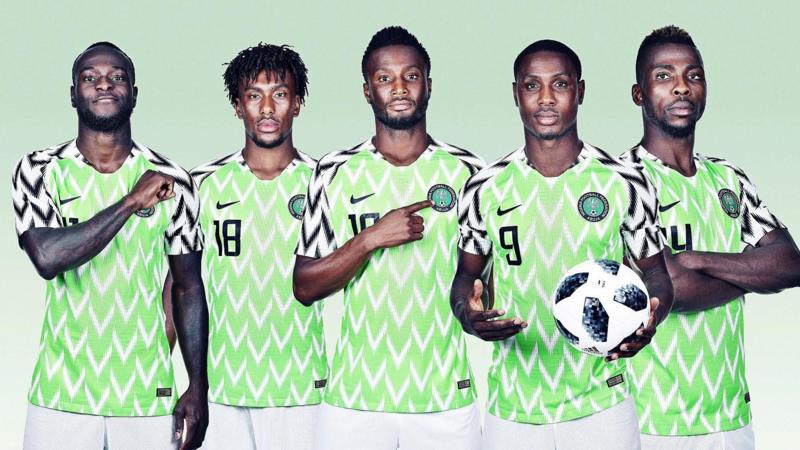
The simple days of a basic kit for the entire season have certainly become a relic of the past in the world of football. Today, jerseys are not just sports equipment; they are vibrant canvases of culture, identity, and, importantly, fashion. Let's delve into how the humble football shirt has transformed into a high-fashion must-have, becoming as iconic as the players who wear them.
Historically, football kits were purely functional. They had to be comfortable, distinguishable across the pitch, and durable enough to last the season. Clubs had one home kit, occasionally an away kit, and minimal sponsorship logos. But as the commercial aspects of football grew exponentially, so did the attention given to kit design.
The 1990s marked a significant turning point in the evolution of football shirts. During that decade, technological advancements allowed manufacturers to experiment not just with materials but with eye-catching designs and colors as well. This was the era when brands like Adidas, Nike, and Puma started to push boundaries, turning kit-making into a creative endeavor that mirrored fashion trends and focused on fan engagement.
The introduction of third kits, or alternative kits, added yet another layer to the complexity and style of football wear. These kits were rarely necessary from a practical standpoint—often not differing significantly from either the home or away colors. However, from a marketing perspective, they hit the nail on the head. They offered fans a fresh look and a new piece of merchandise to buy, effectively capturing the attention of both hardcore supporters and casual followers attracted by unique designs. These kits often serve as a playground for creativity, featuring bold patterns, striking colors, and nods to club history and local culture.
Fast forward to today, and we're witnessing clubs releasing new kits yearly, with special editions thrown into the mix. These may celebrate significant anniversaries, landmark victories, or legendary players. For example, a club might release a limited-edition shirt commemorating a historic treble or featuring design elements drawn from a glorious past era. There's even a growing trend for 'mash-up' designs, blending elements from noteworthy kits of the past decades into a single, contemporary design.
Moreover, clubs and manufacturers are increasingly focusing on sustainable practices in making kits. Recognizing the environmentally-conscious consumer, brands are pioneering the use of recycled materials and innovative, eco-friendly production processes. This shift not only helps in reducing the environmental impact but also appeals to a demographic that values sustainability alongside style.
The fashion-forward nature of football kits has also led to collaborations with renowned designers and fashion brands. For instance, collaborations between major sports brands and high-end fashion labels have produced kits that could easily be featured on runways. These partnerships highlight the intersection of sports, fashion, and lifestyle, broadening the market and enhancing fan engagement outside the traditional sports retail sphere.
The cultural impact of these jerseys extends beyond simple team identification. They represent a tangible connection between the club and its global fanbase, offering fans a way to express their loyalty and identity through clothing. They have become collectors’ items and a means for fans to show allegiance and be part of their team's narrative.
With each passing season, it becomes clearer that football shirts are much more than just sportswear. They are at the forefront of merging sports, fashion, and sustainability, continuing to capture imagination and interest worldwide. They offer fans a blend of modern aesthetics and nostalgic elements, making the football shirt a staple both in the stands and on the streets. As we look ahead, the evolution of football kits is sure to keep us watching closely, not just during the game but in fashion trends and cultural impacts well beyond the pitch.