Henderson Reveals Challenges After High-Profile Saudi Transfer

– 3 min read

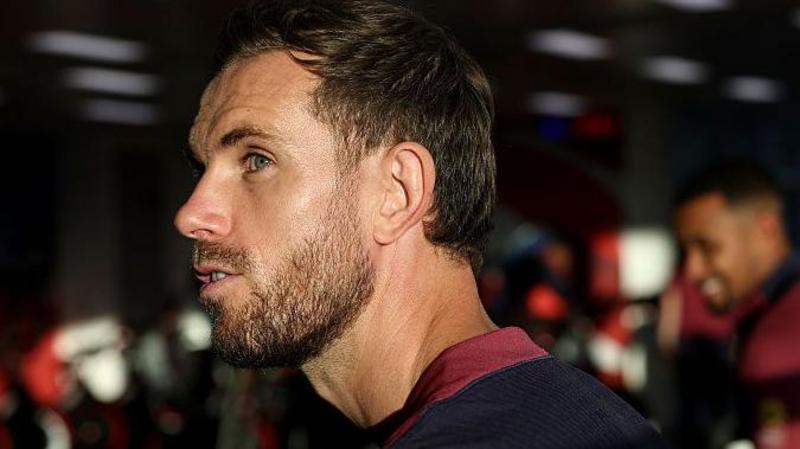
Jordan Henderson's move from Liverpool to the Saudi Pro League has been one of the transfer window's most talked-about switches, sparking widespread discussion and a mix of emotions among the global football community. It’s a transfer that not only marks a significant chapter in Henderson's professional life but also underscores a fascinating trend of European players moving to the burgeoning leagues of the Middle East.
Henderson, who had been a foundational pillar at Liverpool, an emblem of consistency and leadership, recently shared candid insights into his transition to Al-Ettifaq in Saudi Arabia. The midfielder admitted to experiencing "tough moments" since his move, hinting at the multifaceted challenges he has faced adapting to a new cultural and football landscape. The decision to leave a club like Liverpool, where he has etched his name deep into its modern lore, was surely not taken lightly. Henderson's words about possibly having "made different decisions" resonate with the inherent uncertainty sportsmen face when making life-altering career decisions.
This move came after a celebrated stint at Liverpool where Henderson, the Sunderland native, not only lifted the prestigious Premier League trophy but also played a critical role in winning the Champions League, Super Cup, and FIFA Club World Cup. His tenure at Liverpool was marked by his transformation from a promising recruit from Sunderland in 2011 to the club's captain and midfield lynchpin. Under manager Jurgen Klopp, Henderson developed into a player epitomizing diligence, tactical intelligence, and an unparalleled work rate. His leadership on and off the pitch was instrumental in Liverpool's success during one of the most glorious periods in their recent history.
However, the surprising shift to Al-Ettifaq presented an entirely new set of challenges and experiences for Henderson. The Saudi Pro League, though growing in popularity and competitive stature, presents a different style of play and life away from the fiercely competitive and scrutinized environment of the English Premier League. The cultural shift is significant as well; moving from the familiar locales of Liverpool to the vibrant, yet distinct, settings of Dammam in Saudi Arabia.
For Henderson, as for many athletes who make similar moves late in their careers, the decision likely involved various factors including financial incentives, a new type of football challenge, and perhaps a different lifestyle for his family. The Saudi Pro League has been successful in attracting several high-profile names from European football, partly due to lucrative financial packages, which are often part of the twilight years of a player's career.
Sports psychologists often discuss the mental resilience needed by athletes to adapt to new environments, suggesting that struggles like Henderson's are not uncommon. Shifts in language, climate, daily routines, and expectations can compound, making the first months after a transfer particularly challenging. It's a testament to the hidden trials sports professionals navigate as they balance personal growth with career decisions.
Moreover, Henderson's admission might serve as a reflective prism for many players considering similar moves. The allure of new leagues, with their promise of substantial financial rewards and less pressure-laden environments, must be weighed against the backdrop of completely different cultural and competitive settings.
Henderson’s journey at Al-Ettifaq is just beginning, and learning from “tough moments” is part of the adjustment process that may lead to rich experiences on and off the field. When viewed through a broader lens, his move - and his candid reflections on it - highlight the human aspect of football, illustrating that away from the roaring crowds, tactical tweaks, and the shining trophies, lies the continuous personal and professional evolution of a player. As Henderson continues to adapt to his new surroundings, his journey will likely resonate with many and also enrich his legacy as a player who isn’t afraid to step into the unknown.