Guardiola Plans Dinner with Ferguson, Wenger to Celebrate 250 Wins

– 3 min read

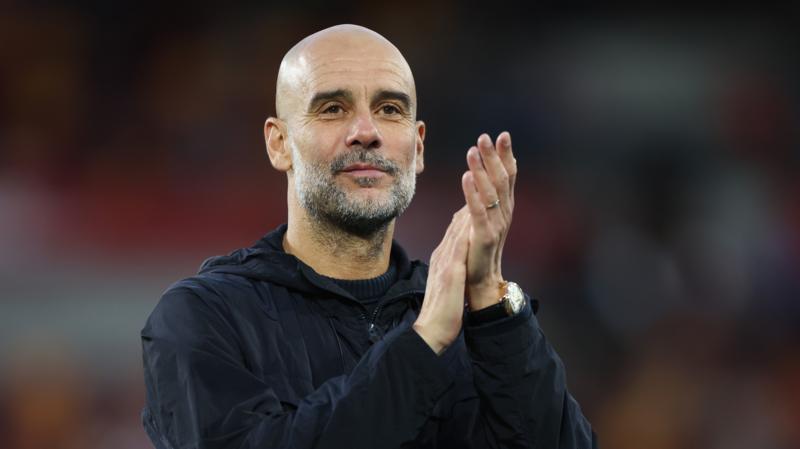
In an unprecedented gesture bridging football generations, Manchester City manager Pep Guardiola marked a monumental milestone in his career—250 Premier League victories—with a heartwarming nod to his venerable predecessors. The illustrious football tactician extended a cordial dinner invitation to none other than Sir Alex Ferguson and Arsene Wenger, arguably two of the greatest managers in the history of football.
Guardiola, known for his analytical approach and dynamic coaching style, reached this remarkable tally in fewer matches than any manager before him, carving his name deeply into the fabric of English football. His decision to celebrate this landmark by sharing a table with Ferguson and Wenger not only speaks volumes about his sportsmanship but also underscores the respect and camaraderie that transcends club rivalries in the sport.
The Spanish coach has transformed Manchester City into a powerhouse since his arrival in 2016. Adopting a brand of football characterized by intense pressing and possession-based play, Guardiola has pushed the technical and physical boundaries traditionally associated with Premier League teams. His tactical nous and constant innovation have led to multiple league titles and domestic trophies, marking an era of dominance that resonates with Wenger’s Arsenal and Ferguson’s Manchester United of yesteryears.
Sir Alex Ferguson, who managed Manchester United from 1986 to 2013, is a titan of the sport whose strategies led the club to numerous victories, including 13 Premier League titles. Known for his fiery managerial style and uncanny ability to evolve with the game, Ferguson set the benchmark for longevity and success in modern football coaching. His squads, a blend of youth and experience, were fearsome competitors, often snatching victory in the dying moments of matches—a phenomenon fondly dubbed as "Fergie Time."
On the other hand, Arsene Wenger, the French intellectual at Arsenal from 1996 to 2018, introduced a revolution in the English game through his emphasis on a European style of play and strict diet regimes. His "Invincibles" squad of the 2003-2004 season remains etched in football history, going an entire league campaign without a single defeat—a feat yet unparalleled in the modern era.
Guardiola's respect for these legends is palpable. "Their contributions to football are immense," he has noted in past interviews. "They've set standards of excellence that any manager would aspire to reach." The dinner, reportedly planned to be a casual affair, is seen as a meeting of minds where strategic discussions will mesh with nostalgic recollections of matches that turned the tide of English football.
This symbolic reunion is more than just a testament to Guardiola's achievements. It is a celebration of the sport's evolution over the past few decades. Each of these managers has contributed uniquely to the narrative of football. Ferguson's relentless pursuit of victory, Wenger's meticulous attention to detail, and Guardiola's innovative tactics exemplify the diverse approaches that can lead to success.
Beyond the on-field tactics and training ground drills, what this dinner symbolizes is the overarching narrative of football—its universal language and its ability to unite. To imagine a single room that encapsulates decades of football history, strategy, and personal journeys is intriguing to any football fan and a stark reminder of the mutual respect that top managers in the sport hold for each other, despite fierce competitions.
As Guardiola continues to redefine English football and chase more silverware, his gesture to invite Ferguson and Wenger is a lesson in humility and respect—the hallmark of true sportsmanship. This unique gathering may well spark discussions that will intrigue football analysts and fans alike, as they speculate on the wealth of knowledge and secrets that could be shared over a simple dinner table. As the Premier League landscape continues to evolve, this meeting of minds is a poignant reminder of the rich legacy that has shaped it.