First International Football Stadium to Be Converted Into Flats?

– 3 min read

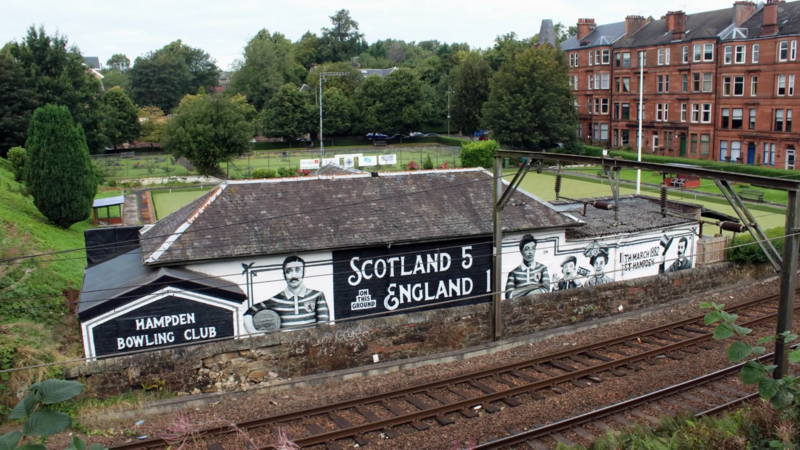
The story of Glasgow’s first Hampden Park is one steeped in heritage and communal spirit, rooted deeply within the fabric of Scottish football history. Known today as Hampden Bowling Club, this historic site finds itself at a significant crossroads, grappling with fiscal challenges that threaten its continued existence.
The first Hampden Park emerged in the late 19th century as a mecca for football enthusiasts, becoming a defining landmark in Glasgow's cultural and sports landscape. Before moving to its current location in 1903, where it still hosts matches today, this was where the renowned Queen's Park Football Club played its games. This ground wasn't just any venue; it was a stage for fostering Scotland’s passion for the sport, hosting numerous significant football matches, including international fixtures.
In the twist of fate typical of many old sports venues, the first Hampden Park underwent a transformation in 1908. As the roar of the crowds faded and the football stars moved on to the new, larger Hampden Park, the original site began a new chapter as the Hampden Bowling Club. Nestled in the Southside of Glasgow, it swapped the cheers of a football crowd for the tranquil clinks of bowling balls and friendly competition among local enthusiasts.
The transition from a buzzing football stadium to a serene bowling green is symbolic of the broader shifts in community sports facilities, where past glories give way to maintain a sporting legacy in different forms. For over a century, this club has served as a communal hub, offering not just sporting opportunities but also a place of social congregation for the folks of Southside.
Despite its rich heritage, Hampden Bowling Club is facing daunting economic challenges. The effects of reduced membership rates and financial mismanagement have crept into the framework of this venerable institution, casting a shadow on its future. The dwindling resources to maintain its grounds and facilities could see the club facing closure, a potential end to a historic chapter of Glasgow’s sporting life.
However, the narrative of resilience rings as true in the community as in sport. Current club members and locals are not ready to see their beloved club vanish into the annals of history. Efforts are being made to revitalize the club, calling upon both the local community and broader circles who hold dear the heritage of Scottish football and community sport. Fundraisers, membership drives, and awareness campaigns about the club’s historical significance are part of a robust strategy to secure the future of Hampden Bowling Club.
In this quest for survival, understanding and support from local authorities could play a pivotal role. Recognizing the club not just as a recreational facility but as a cultural heritage site could unlock public funds and grants necessary for its revitalization. Moreover, the club is exploring innovative ways to widen its appeal, including hosting more community events, transforming part of its space for other sports, and integrating modern leisure activities that attract a younger demographic.
The tale of Hampden Bowling Club is more than just a struggle against financial woes; it is a testimony to the enduring love for sport and community spirit in Glasgow’s Southside. As members young and old come together to save this historic site, they are reminded of the potent ties that bind them - a shared legacy and a common goal of preserving a slice of Scottish history. Such stories of community resilience, with roots in the past yet eyes firmly set on a sustainable future, underscore the relevance of cultural and sporting landmarks as integral threads in the social tapestry of a community. Indeed, the fight to save Hampden Bowling Club is a reflection of the broader challenges faced by historical sports venues worldwide, highlighting the importance of preserving such places for future generations.