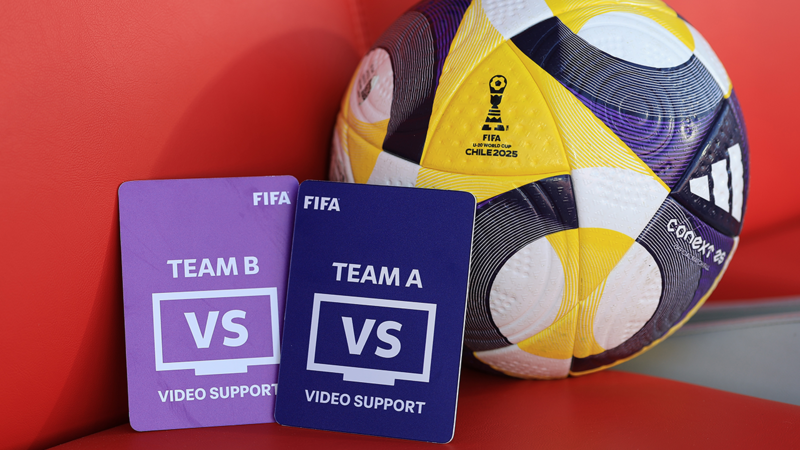
FIFA Trials Explosive New Manager VAR Card – What You Need to Know

– 3 min read

In a world where sports events can flip on the head of a pin, technology has started to play a crucial and pivotal role in determining outcomes. Among the technologies, one that stands out prominently in football is the Video Assistant Referee (VAR) system. Initially trialed in major competitions and leagues around 2016, VAR has now become an integral part of the game, a tool intended to ensure fairness and help referees make the most accurate calls.
But how exactly does this system work? Most fans have seen VAR in action, usually at moments filled with high tension during replays on contentious decisions. However, the intricacies of its operation are fascinating and worth a deeper look.
At its core, the VAR system is a network of cameras and communication equipment operated by a team of specialists who watch every match from a centralized video operation room. These cameras, more than 30 in each stadium, offer multiple angles on every play, ensuring that not much escapes these digital eyes. This coverage includes everything from goal-line technology to 360-degree views around important areas of the pitch.
When a potential mistake or missed incident occurs, such as goals, penalty decisions, direct red card incidents, and mistaken identity in awarding a card, the on-field referee can initiate a VAR check. Additionally, VAR officials can recommend a review if they spot a clear and obvious error or a serious missed incident. Once a specific moment is under review, the VAR team examines the footage, frame by frame if necessary, to make the best possible determination. They use high-tech tools like calibrated offside lines, which have been a subject of much debate themselves, especially concerning decisions that hinge on mere millimeters.
Communication between the VAR team and the on-field referee is conducted via a wireless electronic communication system. The referees on the field are equipped with earpieces and microphones, enabling them to discuss the footage with the VAR team. In instances where the play is particularly complex or the footage is not clear, the on-field referee can go to a sideline monitor to see the replay themselves. This process is known as an On-Field Review (OFR).
Despite its aim for precision, VAR has not been without controversy. Supporters often argue that it breaks the flow of the game or that the human element of refereeing is what makes football inherently dynamic and unpredictable. Others claim it's essential in the modern game where so much can be at stake—mistakes that once went unnoticed and could potentially derail teams' efforts towards winning crucial matches are now scrutinized more thoroughly.
Acknowledging these viewpoints, FIFA and other governing bodies have continued to tweak the system. For instance, recent updates have included changes to the handball law and the refinement of offside protocols, which dictate what is considered 'clear and obvious' enough to warrant a VAR intervention. Additionally, football associations have taken steps to improve the transparency surrounding VAR decisions. More leagues now offer stadiums and broadcasting channels audio from the VAR conversations during reviews so that fans can understand the context of decisions.
Furthermore, VAR technology has also been beneficial outside of its primary function of judging game-changing incidents. Its detailed video footage helps in monitoring player behavior and injuries more closely, enhancing both discipline and player safety.
As we look to the future, the integration of even more advanced technologies, such as AI and machine learning, could make VAR even more precise and swift. While it will never replace the excitement and unpredictability of the sport, it does promise to evolve in ways that continue to support the integrity of the game.
The continuing development and refinement of VAR highlight an era where technology's role in sports is not just supplementary but essential, aiming to uphold fairness and accuracy in every game. The road hasn't been smooth, but the trajectory is clear—technology in football is here to stay, promising to bring with it a future where justice on the pitch isn't just a matter of perspective.