FIFA Blasts Malaysia for Alleged Fake Player Eligibility Scandal

– 2 min read

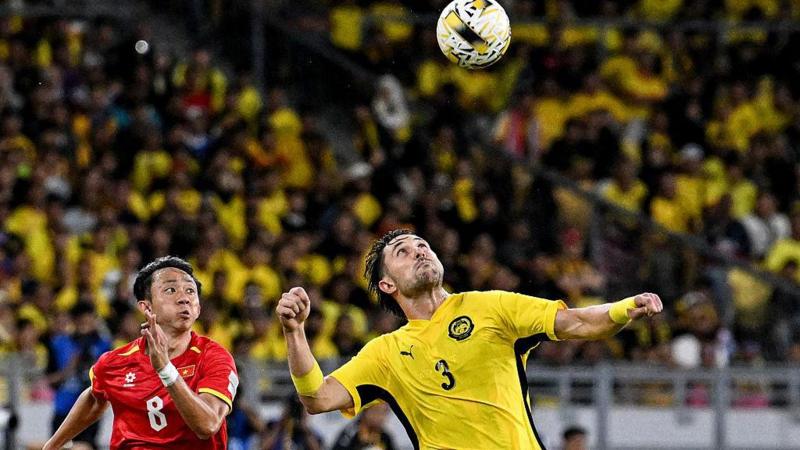
In a development that has stirred the pot in the world of international football, an alleged forgery case involving the documentation required to meet FIFA’s eligibility criteria for foreign-born players has come to light. Commonly referred to as the 'grandfather rule,' this regulation allows players to represent a national team other than that of their birth if they have a grandparent who was born in the country of the national team they wish to play for.
The 'grandfather rule' is part of FIFA's broader eligibility regulations and is designed to respect the diverse heritages that many players embody. This ruling not only defines the international football landscape but also celebrates the multi-national backgrounds of the players by allowing them to choose their national allegiance under certain familial conditions.
The case in question has thrown a spotlight on the meticulous and stringent requirements that players must fulfill to switch national allegiances or to choose which national team to represent. While the details of the involved parties and the specifics of the forgery are still under wraps, this incident underscores the pressures and the high stakes involved in international football. It also raises questions about the integrity of the processes in place to verify the authenticity of the player documentation provided to FIFA.
Forgery in sports, especially in football, isn't a novel issue. Past incidents have ranged from fake birth certificates to altered passports, each with the intention of meeting specific federation rules or bypassing regulations. Such violations compromise the spirit of the game and can have severe implications for all stakeholders involved, including players, teams, and federations.
This situation has ignited a debate about how such crucial regulations are enforced and monitored by FIFA and other continental bodies like UEFA, CONCACAF, and AFC. It also challenges the effectiveness of the current system in preserving the integrity of international team compositions while being inclusive of players' diverse backgrounds. Several football analysts suggest that incidents like these could prompt a reconsideration of eligibility rules or, at the very least, a stricter vetting process.
Beyond the rulebooks and administrative protocols, the cultural implications of such a case are vast. Football has long been a unifying sport that transcends national boundaries and ethnic divisions. The ability of players to represent countries based on heritage rather than birthplace has been a source of pride and identity, not just for the players but for communities and nations. It mirrors the globalized world we live in, where fluid identities are increasingly the norm rather than the exception.
For aspiring players with multinational backgrounds, the flexibility that the 'grandfather rule' provides is both a blessing and a challenge. While it opens up opportunities to play at the highest levels through different avenues, it also places the responsibility on them and their handlers to maintain the integrity of the process. Missteps like forgery not only jeopardize their careers but can also tarnish their reputations irreparably.
The unfolding of this forgery case is likely to be closely watched by all in the football community. The outcome could lead to tightened regulations or possibly more detailed scrutiny of players’ documentation in future. For now, it serves as a reminder of the intricate balance between upholding the rules of the game and embracing the rich, diverse heritage that players bring to the football pitch.
What remains critical is ensuring that football continues to be a sport known for celebrating diversity and inclusivity, without the overshadowing cloud of regulatory misuse or deception. As investigations proceed and more information becomes available, the football world waits to see how this case could potentially reshape the understanding and implementation of nationality eligibility in international competitions.