Cool Keepers Silence Trolls: A New Generation's Triumph!

– 2 min read

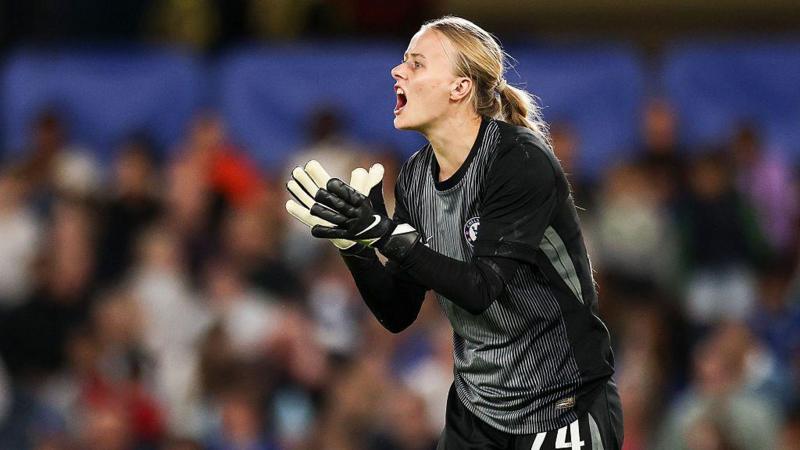
In the realm of football, the conversation around female goalkeepers has taken a significant shift from scrutiny to praise. Gone are the days when the capabilities of women between the posts were questioned. Today, female goalkeepers are not just participants but standout performers, often tipping the scales in crucial matches with their athletic prowess and strategic acumen.
The rise to prominence of female goalkeepers can be attributed to several key factors, representing broader trends and specific strategies within women's football.
First and foremost, improved access to professional training and facilities has played a critical role. Historically, opportunities for specialized goalkeeper training were scarce for women, with many budding female goalies often left to train in mixed groups where resources were primarily directed towards male athletes. In recent years, however, the establishment of more women-specific football academies and training programs has provided up-and-coming goalkeepers with the facilities and coaching they need to hone their skills.
Secondly, the tactical evolution of football has seen the role of the goalkeeper change across both the men's and women's games. Today's goalkeepers are expected to be adept with their hands and their feet, playing a crucial part in building play from the back. This evolution has increased the technical standards across the board and female goalkeepers have been at the forefront of embracing these new demands. Enhanced coaching techniques focusing on footwork, positioning, and decision-making have allowed female goalkeepers to excel and become as integral to team dynamics as outfield players.
Another pivotal element in the advancement of female goalkeepers is the increased visibility and support for women's football. Major tournaments such as the FIFA Women's World Cup and the UEFA Women's Champions League have drawn global audiences and media coverage, highlighting the athleticism and talent of female goalkeepers. Icons like Hope Solo, Sarah Bouhaddi, and Christiane Endler have become household names, inspiring a new generation of young girls to take up goalkeeping.
Moreover, the psychological aspect of training, often tailored specifically for the needs of female athletes, has also seen significant advancement. Goalkeeping is as much about mental strength as it is about physical ability. Modern training regimens include mental conditioning, helping goalkeepers deal with the unique pressures of the role, from handling solitary periods during games to coping with the aftermath of conceded goals.
The impact of these developments is evident in the performance of female goalkeepers in international tournaments. For instance, the 2019 Women’s World Cup in France spotlighted brilliant goalkeeping performances that were pivotal in their teams' progress through the tournament stages. Such displays not only elevate the players' profiles but also set new benchmarks for aspiring goalkeepers worldwide.
The success and enhanced reputation of female goalkeepers are setting the stage for further growth in women's football. As these athletes continue to break barriers and challenge old stereotypes, their achievements contribute to a broader transformation ongoing in sports – one towards greater equity, recognition, and respect across gender lines.
The narrative around female goalkeepers in football exemplifies a larger story of progression, resilience, and triumph. As more resources and opportunities become available to young female athletes, the sky is the limit for what they can achieve on the football field. The days of sideline skepticism are over, and the era of celebrating and fostering female athletic prowess is well and truly underway. This shift not only enhances the competitive nature of sports but enriches it, creating a more inclusive and dynamic environment for all athletes.