Collins Baffled by Unexpected Defeat in Yerevan Match

– 3 min read

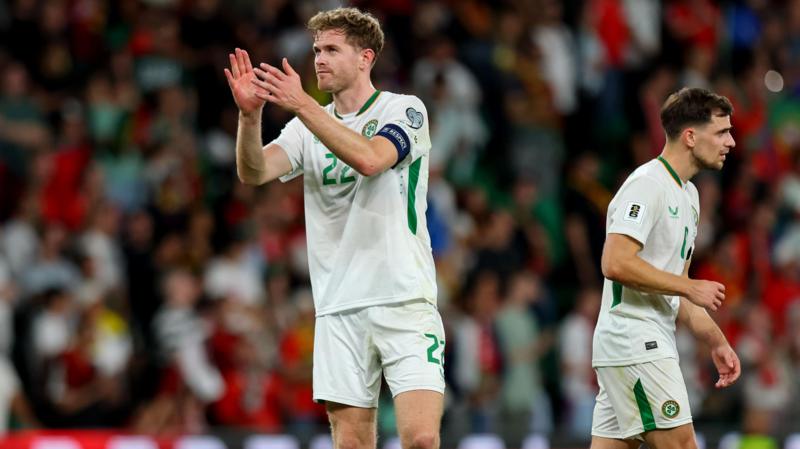
When Republic of Ireland captain Nathan Collins reflects on the team's unexpected defeat at the hands of Armenia in September, he is still at a loss for words. The encounter, which was a crucial part of the World Cup qualifying campaign, saw Ireland stumble, yielding dire results and raising plenty of eyebrows back home. As the Irish squad prepares to face Armenia again, this time on their home turf in Dublin this Tuesday night, Collins and his team are set on redemption.
The lead-up to September's defeat was punctuated by an underestimation of the Armenian team, which has been steadily climbing in proficiency and confidence on the international stage. The surprising loss served as a wake-up call for the Irish team, spotlighting the need for adjustments in both strategy and mindset.
Looking ahead to the rematch in Dublin, the stakes are significantly heightened for Ireland. Not only do they seek to avenge their previous loss, but they also need the win to bolster their qualifying prospects. The Republic of Ireland's journey in the World Cup qualifiers has been a mixed bag of compelling victories and unexpected setbacks, making each upcoming match a decisive battle in their quest to reach the top tier of international football.
The mood in the Irish camp as they train for Tuesday's game is one of focused determination. Collins, as the team leader, has been vocal about using the defeat as a learning tool rather than a point of frustration. He emphasizes the importance of looking forward, staying positive, and most importantly, understanding that underestimating any opponent in international football can lead to undesirable outcomes.
Coach Stephen Kenny has reportedly been working closely with his staff to examine the tactical lapses and missteps from the previous encounter with Armenia. Adjusting the game plan to counter Armenia’s strengths will be crucial. The Irish team is expected to tweak their defensive strategies and to foster a more aggressive attacking approach, with Collins likely playing a central role in both orchestrating the defense and initiating plays.
The loss against Armenia has also sparked a broader conversation about the development of football in Ireland. Critics and fans alike have pointed out the necessity for a robust structure that not only polishes the existing talent but also ensures that the upcoming generations are well-equipped to elevate Irish football to higher echelons on the global stage. This involves improved training facilities, better scouting and nurturing of grassroots talent, and a more scientifically-driven approach to player fitness and health management.
The response from Irish fans has been overwhelmingly supportive, with a large turnout expected at Dublin’s Aviva Stadium. The atmosphere is set to be electric, with supporters eager to rally behind Collins and his team as they seek to rectify their previous misstep. This match is not just about securing necessary points in the qualifiers but is also about restoring national pride and proving the team’s resilience and capability to bounce back from adversity.
As the clock ticks down to the crucial clash, Collins’s leadership will be pivotal. His ability to galvanize the squad and channel the collective disappointment of the previous match into a powerful performance could very well dictate the trajectory of Ireland’s World Cup qualifying campaign. An inspired performance against Armenia would not only secure vital points but could also serve as a turning point, restoring faith amongst supporters and perhaps, more importantly, within the team itself.
Tuesday night’s game is, therefore, more than just a rematch; it symbolizes Ireland’s fight back not just against a team that previously bested them, but against all odds on their path to the world stage. The Irish team’s response under the Dublin lights will be telling of their character and their future in international football.