Breaking News: Boca Juniors Coach Miguel Angel Russo Passes Away at 69

– 3 min read

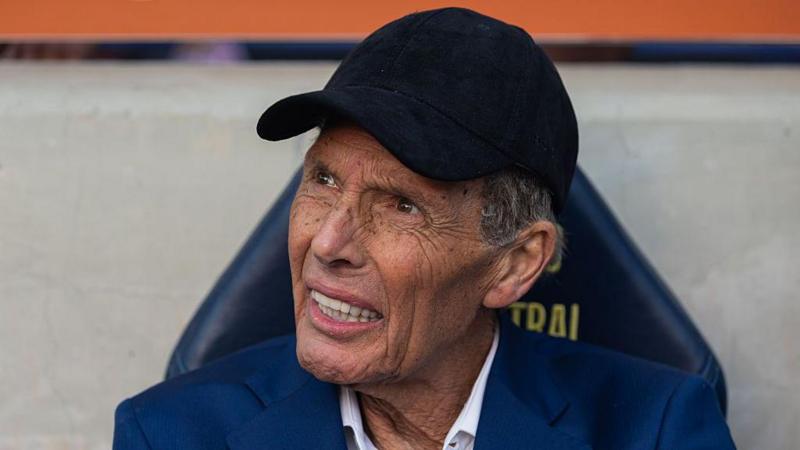
The world of Argentine football has been cast into mourning with the death of esteemed coach Miguel Angel Russo, who passed away at the age of 69. Boca Juniors, one of Argentina's most storied football clubs and a team Russo notably led to multiple victories, confirmed the sad news, enveloping the football community in profound sadness.
Miguel Angel Russo's name resonates with deep respect and admiration in football circles. Born on April 9, 1956, in Lanús, Argentina, Russo embarked on his football journey as a gritty midfielder before transitioning into a coaching role—a decision that would lead him down a path of remarkable achievements and revered legacy.
Russo's association with Boca Juniors is particularly legendary. He took charge of the club in 2007 and quickly steered them to an unforgettable Copa Libertadores triumph the same year. Under his guidance, Boca Juniors displayed a compelling blend of tactical acumen and spirited play, etching that victorious campaign into the hearts of fans. His adept managerial skills were again on display during his second stint with the club beginning in December 2019, when he led them to win the Argentine Primera División title, showcasing his enduring tactic savvy and leadership.
The apex of Russo’s career was undoubtedly the 2007 Copa Libertadores victory. The way he motivated his team and navigated through the tournament displayed his masterful grasp of the game and his ability to inspire peak performances from his players. The final against Grêmio not only highlighted his strategic intelligence but also cemented his status as one of Boca Junior's most influential figures.
Beyond Boca, Miguel Russo's coaching prowess illuminated several other clubs across Latin America. His career includes significant spells at Estudiantes, Lanús, and Rosario Central in Argentina, as well as stints in Colombia with Millonarios, where he won the Categoría Primera A league title in 2012, and further south in Chile with Universidad de Chile.
Russo was also celebrated for his resilience in the face of adversity. Notably, during his time with Millonarios, he battled against cancer, showing immense strength and determination. His recovery and return to coaching were seen not just as a personal victory but as an inspirational story for many facing similar battles.
His death, undoubtedly, leaves a void in the realm of football—a sport that he enriched not just with his tactical insights but also with his spirited presence. Current and former players, coaches, and fans have been pouring out tributes, reflecting the deep respect and affection they hold for Russo. Social media has been abuzz with memories and condolences, a testament to the wide impact of his career and character.
Boca Juniors, in their tribute, encapsulated the sentiment of many, reflecting on how deeply Russo has been woven into the fabric of the club’s illustrious history. Club President Jorge Amor Ameal remarked on Russo's significant contributions to the club, not just in terms of trophies but in fostering a family spirit and a winning mentality that permeates the team to this day.
Fans also gather outside La Bombonera, Boca's iconic stadium, creating a makeshift shrine adorned with flowers, scarves, and photos, celebrating his life and mourning their loss. The collective grief and gratitude evident in these acts show just how much Russo meant to the community.
For many, Miguel Angel Russo was more than a coach; he was a mentor, a fighter, and an emblematic figure of Argentine football. His teachings and philosophy, both on and off the pitch, will live on, ensuring that while the football world grieves his loss, his legacy will forever light up the world of football. His story—one of passion, tenacity, and brilliance—will continue to inspire generations to come, and his name will always be uttered with the greatest respect wherever football is loved.